
Ruto’s Shoot-to-Incapacitate Order Provokes Political Backlash
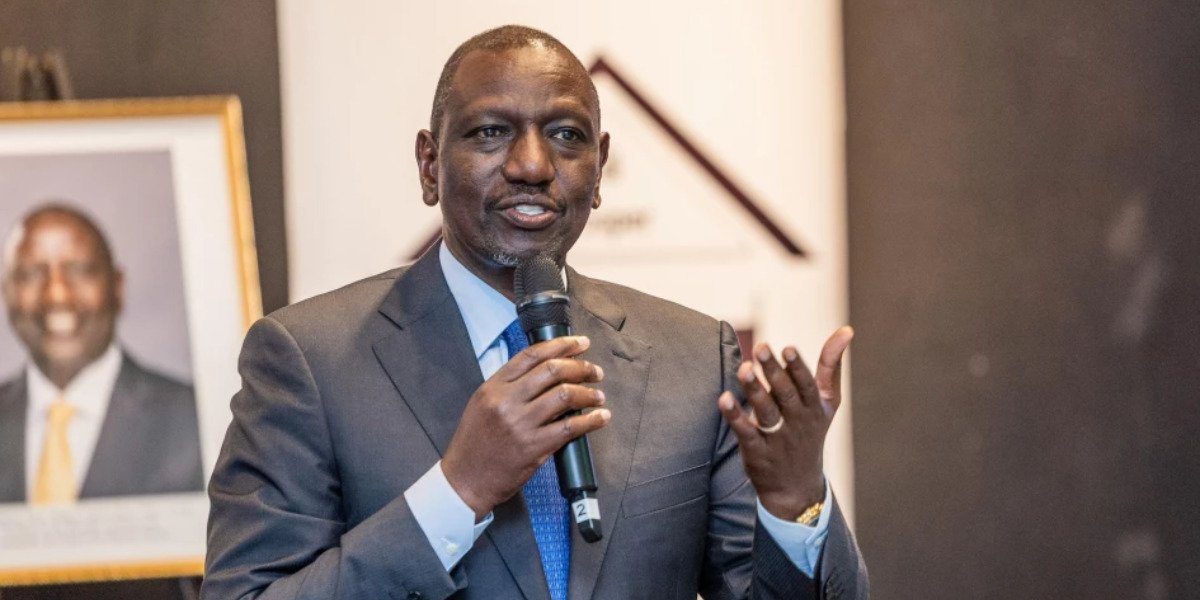
President William Ruto's directive for police to "shoot to incapacitate" violent protesters has ignited a fierce national debate in Kenya, dividing political factions and civil society.
The order, issued amid growing discontent over economic conditions and governance, has intensified scrutiny of the government's handling of public dissent.
Ruto, during a public address in Nairobi, characterised violent protest as akin to terrorism, warning of decisive action against attacks on law enforcement or public assets. He defended targeting protesters' legs as a measured approach to preventing further damage while avoiding fatalities.
However, critics assert that this rhetoric risks legitimising excessive force and encroaches upon constitutional protections for peaceful assembly. Belgut MP Nelson Koech, chair of the National Assembly’s Defence, Intelligence and Foreign Relations Committee, reinforced the President’s position, advocating for lethal force against those deemed threatening. Speaking at a constituency event, Koech cited the National Police Service Act and the Sixth Schedule to justify his stance, without specifying the precise legal prerequisites for such action.
Opposition figures have strongly condemned the directive as reckless and unconstitutional. Former Deputy President Rigathi Gachagua denounced the order as an affront to victims of police brutality and threatened to escalate the matter to the International Criminal Court. Wiper Party leader Kalonzo Musyoka echoed these concerns, accusing the President of violating his oath to uphold the rule of law.
Kalonzo cited previous remarks by Interior Cabinet Secretary Kipchumba Murkomen that also endorsed the forceful suppression of protests, saying that, “The President has become part of the misrule.”
Jubilee Party Secretary-General Jeremiah Kioni cautioned against the inherent lethal risk associated with firearms use, even with the intent to incapacitate. He said, “Once a bullet leaves the barrel, it is meant to kill,” disputing the assumption that shooting in the leg guarantees survival. Kiharu MP Ndindi Nyoro criticised the government’s intelligence apparatus, questioning how a Sh50 billion budget failed to prevent recent unrest, and urged leaders to prioritise accountability.


Comments
No comments yet — be the first.