
Second Patient Murdered at Kenyatta National Hospital
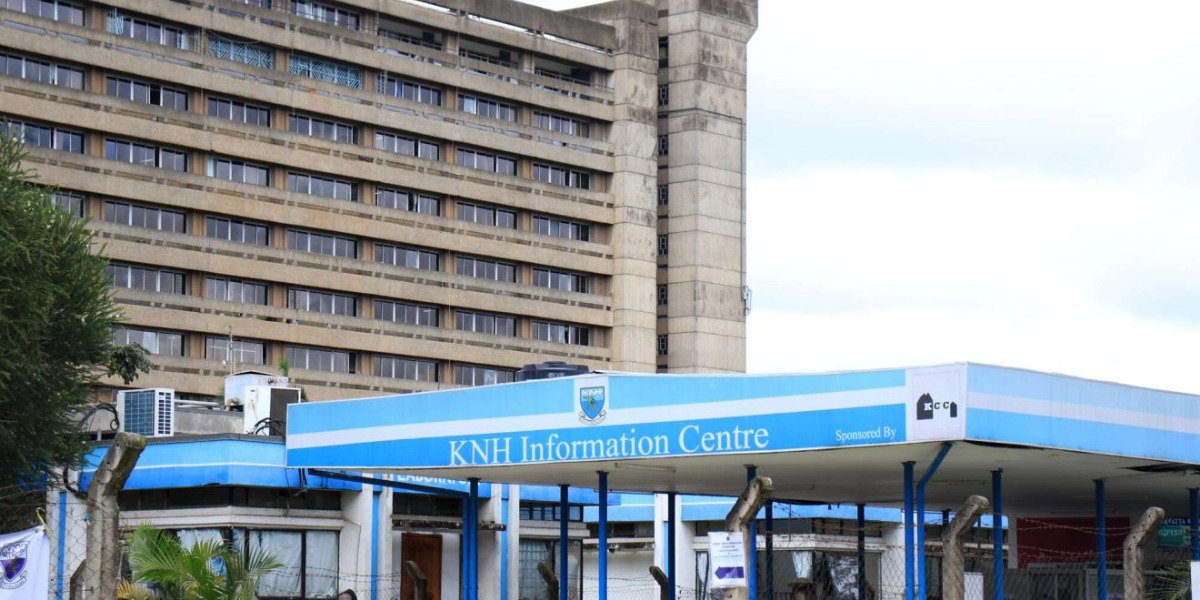
Kenyatta National Hospital (KNH) is facing renewed scrutiny following the murder of a patient, Edward Maingi Ndegwa, who was discovered on Thursday in Ward 7B.
Ndegwa's death, with his throat slit, mirrors the killing of Gilbert Kinyua in Ward 7C earlier this year, raising urgent concerns about the efficacy of security protocols within the hospital. The Directorate of Criminal Investigations (DCI) has launched a fresh investigation into Ndegwa’s murder. The probe relies significantly on manual investigative methods due to the absence of closed-circuit television (CCTV) surveillance in the affected ward.
The absence of CCTV is despite previous assurances from hospital leadership that measures, including enhanced CCTV coverage, increased ward security, and heightened surveillance, were implemented following Kinyua’s murder in February. The suspect in both murders, Kennedy Kalombotole, is currently in police custody. Crime scene investigators recovered a pair of bloodstained slippers from under his hospital bed.
Forensic analysis of footprints at the crime scene and blood traces on the red slippers are expected to be crucial to the prosecution's case. Kalombotole, also a patient in Ward 7 during Kinyua’s murder, was previously identified as a person of interest. His continued presence at the hospital despite these suspicions raises questions about why he remained at the facility for an extended period.
KNH acknowledges the unusual circumstances surrounding Kalombotole’s prolonged stay. Dr William Sigilai, the hospital spokesperson, said that Kalombotole was admitted to the Intensive Care Unit in November 2022 as a homeless individual before being transferred to a general ward. Repeated efforts to identify him through fingerprinting and public outreach proved unsuccessful. Although Kalombotole briefly secured shelter in mid-2024, he was readmitted to KNH in December after his health deteriorated and the previous home declined to take him back.
The hospital maintains that the DCI recommended Kalombotole remain on-site pending further investigation following the February murder, leaving KNH with limited options. An apparent communication lag between investigative authorities and KNH appears to have exacerbated the ambiguity, culminating in circumstances that facilitated a second homicide within the same environment.
DCI Chief Mohamed Amin confirmed that Kalombotole is now formally suspected in both killings. Investigations are currently focused on uncovering his motive and determining whether he acted alone. A knife wrapped in gloves was found directly below the ward’s window, suggesting an attempt to dispose of evidence. These materials have been submitted to the National Forensic Laboratory for advanced analysis.
The Office of the Director of Public Prosecutions (ODPP) has urged further inquiries before formal arraignment. The situation's gravity lies not only in the failure to prevent fatal violence within a facility intended to offer healing and refuge but also in a historical pattern of inadequate surveillance infrastructure. KNH's long-standing struggle with security was highlighted as early as 2016, when hospital officials admitted before Parliament that no CCTV cameras were installed at the time of Cosmas Mutunga’s murder in 2015, a case that remains unsolved.
Mutunga’s murder involved stab wounds and the gouging of an eye. Despite public outcry and legislative engagement, progress in implementing technology-based surveillance at KNH has been sporadic. In its most recent statement, KNH expressed condolences to Ndegwa’s family and reiterated its commitment to cooperating with law enforcement. An internal investigation is underway to clarify the events that led to the tragedy.


Comments
No comments yet — be the first.