
Police Impunity Deepens as Cell Death Cases Go Unresolved
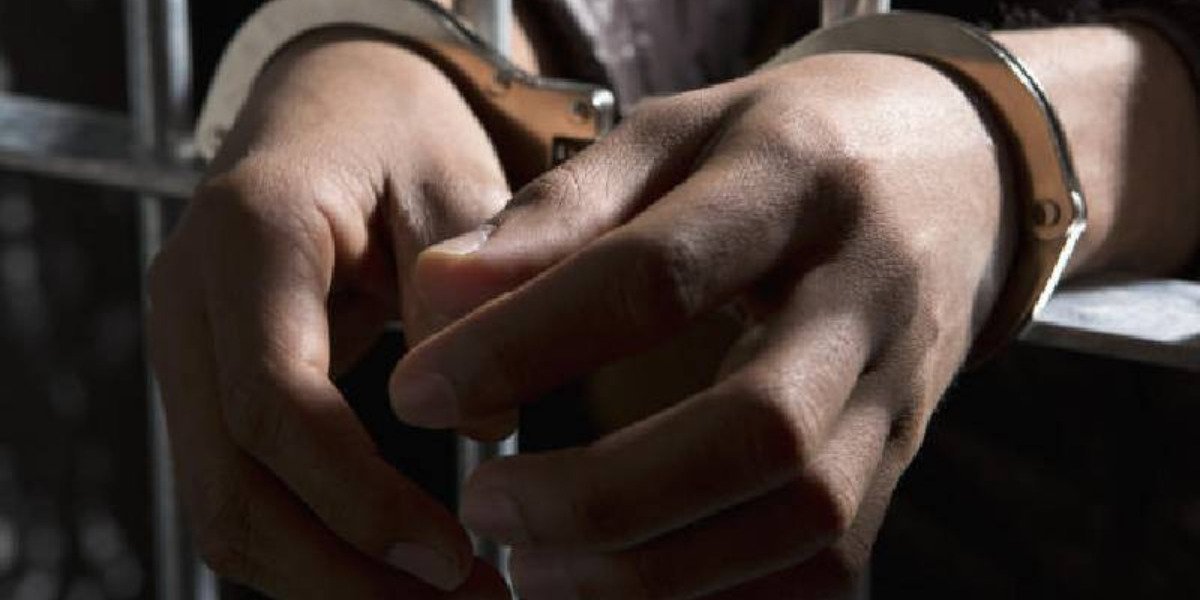
Kenya is grappling with an escalating crisis of deaths in police custody.
The death of blogger and teacher Albert Ojwang, who died whilst detained at Nairobi's Central Police Station, has become a focal point in the debate over law enforcement practices. The circumstances surrounding Ojwang’s death, initially dismissed as suicide, came under scrutiny following a post-mortem examination that revealed blunt force trauma, neck compression, and multiple soft tissue injuries.
This case is not isolated. The Independent Policing Oversight Authority (IPOA) has reported a minimum of 20 deaths in custody over a recent four-month period, raising concerns among human rights groups regarding accountability.
Families seeking answers often encounter significant obstacles in their pursuit of truth, struggling to access basic information about the time, location, and circumstances of death.
Criminologist Gicheru Kamore notes that police records, including the Occurrence Book and Admission Register, designed to serve state interests, rather than the rights of detainees, often fail to provide sufficient transparency. Ojwang, arrested for allegedly defaming Deputy Inspector General Eliud Lagat on social media, was transported over 350 kilometres from his home in Homa Bay to Nairobi.
Initial police statements claimed Ojwang had fatally injured himself by hitting his head against a cell wall. Forensic evidence and witness testimonies contradicted this account, prompting IPOA to launch a formal investigation. Lagat was initially cleared to resume duties, a move IPOA later clarified was premature and misleading.
The increase in alleged police brutality occurs amidst heightened political tensions, particularly surrounding youth-led protests addressing economic hardship, corruption, and perceived governance failures. Gen Z demonstrators have been met with what critics describe as disproportionate force. The State has responded with militarised crackdowns, framing peaceful protest as criminal or even treasonous activity.
Analysts argue that the relationship between politicians and police leadership has cultivated a "warrior mindset," where dissent is perceived as insurrection. The emergence of armed civilian groups operating alongside police units is a worrying trend, blurring the lines between lawful enforcement and extrajudicial violence.
Despite constitutional guarantees of the right to life and protection from torture, oversight mechanisms remain limited.
IPOA, while mandated to investigate misconduct, lacks prosecutorial powers and faces challenges due to non-cooperation from police officers. Investigations are frequently hampered by tampered evidence, missing CCTV footage, and intimidation of witnesses. Amnesty International and other human rights organisations advocate for rigorous and independent inquiries into custodial deaths, emphasising impartiality, transparency, and forensic integrity.
However, these standards are not consistently met in Kenya. Families are frequently left to conduct their own monitoring. One example is Geoffrey Njuguna, whose father was detained for years. Njuguna's family tracked his health and morale meticulously, and used the data to advocate for his release. Experts argue that police training reforms alone are insufficient to address the root causes of brutality, which lie elsewhere.
The death of Albert Ojwang, along with other cases, has spurred national outrage. Protests recently erupted across the country, demanding justice and institutional reform. The Kenya National Commission on Human Rights has documented a number of deaths linked to alleged police violence during demonstrations, and civil society organisations warn of a slide towards authoritarianism.


Comments
No comments yet — be the first.