
No Toxic Sugar in Market, KEBS Assures Kenyans
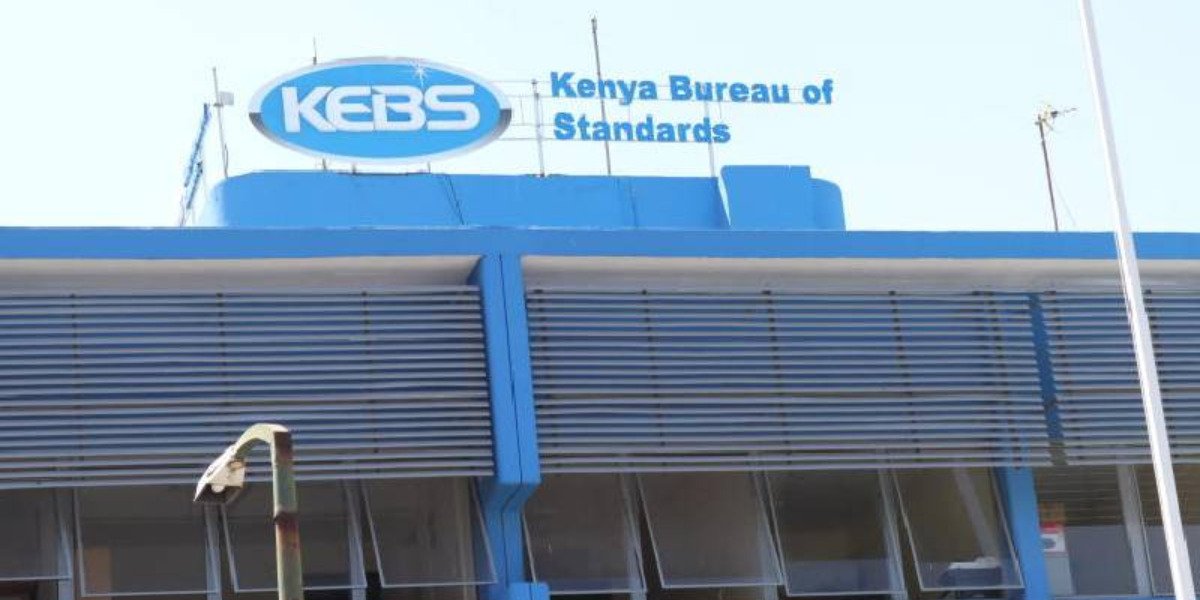
The Kenya Bureau of Standards (KEBS) has vehemently denied claims of contaminated sugar circulating within the country.
The agency issued a statement on 31 July, dismissing allegations of unsafe sugar as baseless and reaffirming its stringent food safety protocols. The rebuttal follows assertions by opposition leader Kalonzo Musyoka, who alleged a consignment of 25,000 metric tonnes of sugar, deemed unfit for consumption, had arrived at Mombasa and was being redirected to Western Kenya for repackaging.
KEBS insists that no such consignment has been cleared for market release, emphasising that all sugar, whether locally sourced or imported, undergoes mandatory inspection, testing, and certification before distribution. The bureau urges the public to disregard unsubstantiated reports, reiterating its commitment to safeguarding public health.
Concurrently, the Ministry of Agriculture faces increasing criticism regarding the decision to import 500,000 metric tonnes of Grade 1 white milled rice. Farmers and opposition figures argue this move undermines local producers, particularly those in Mwea, Kenya's primary rice-growing region.
Agriculture Cabinet Secretary Mutahi Kagwe has defended the importation, citing a persistent shortfall in domestic rice production. Kenya consumes approximately 1.3 million tonnes of rice annually, with local output only meeting 20% of this demand. Kagwe assures stakeholders that the importation would not harm local farmers, as the Kenya National Trading Corporation (KNTC) continues to procure rice directly from Kenyan growers.
He characterises the imports as a temporary measure to stabilise prices and prevent food scarcity, especially given global supply disruptions.






Comments
No comments yet — be the first.