
Ministry Delays Petition to Relocate Jomo Kenyatta Remains to Gatundu
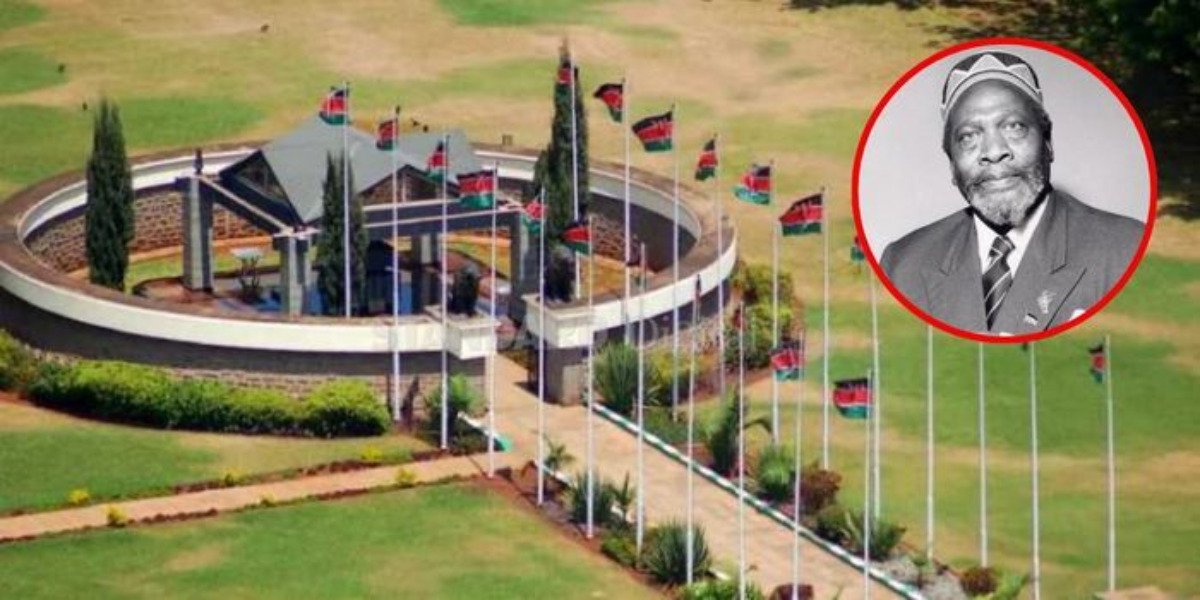
The Ministry of Gender, Culture, and Children Services is reviewing a formal petition by Nairobi resident John Mweha calling for the relocation of Jomo Kenyatta’s remains from Parliament Grounds to his ancestral home in Gatundu, Kiambu County.
The petition argues that Kenyatta’s current burial site lacks clear constitutional symbolism and may not reflect traditional African customs. Mweha believes relocating the late president to his homeland would provide a more culturally appropriate resting place. Although there is no known written will supporting this move, he suggests it could be in line with Kenyatta’s personal wishes.
In response, the Ministry of Gender, Culture, and Children Services has emphasised the need for a careful and phased evaluation process. Cabinet Secretary Hannah Wendot acknowledges the petition’s constitutional points but stresses the importance of legal review, cultural consultation, and, most importantly, dialogue with the Kenyatta family. She notes that any decision must strike a balance between respecting national symbolism and honouring family and cultural traditions.
Jomo Kenyatta was buried at Parliament Buildings in 1978, reinforcing his legacy as the nation’s founding father. However, the current debate suggests a shift in public thinking about how such figures should be remembered. The mausoleum, which is heavily guarded and closed to the public, is seen by some as a distant symbol of state authority rather than a site that is accessible and meaningful to ordinary citizens.
In a related matter, the government is considering relocating the Kenya National Archives from its prominent location in central Nairobi. This follows recent youth-led protests in the city centre, which have raised security concerns. Principal Secretary for Gender and Culture, Ummi Bashir, defends the proposed move, saying it is necessary to protect Kenya’s historical records and to create a more suitable environment for researchers.
The National Archives building, which dates back to 1930, holds extensive collections including photographs, parliamentary documents, and cultural artefacts. Its significance has grown following the United Kingdom’s recent handover of 300,000 digitised colonial-era files.




Comments
No comments yet — be the first.