
The Allure of Kenya's Booming Real Estate Market
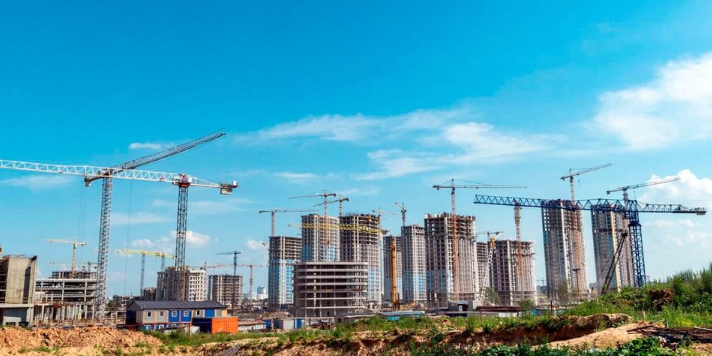
Kenya's real estate sector has experienced unprecedented growth, surpassing other industries like manufacturing, services, and agriculture.
Real estate has become the top pick for investors surpassing once-favored investments like equities. Based on findings, about 40% of wealthy Kenyan investors have allocated their portfolios to Real estate and regard private rental properties as a long-term defence against inflation and currency downfall. Fueled by a relaxed regulatory environment, building approvals in Nairobi City County have skyrocketed which has directly affected the real estate market's growth urging real estate investors to inject over Sh162.5 billion in investment into Kenya's capital city.
Ashitiva Advocates LLP's Head of Real Estate, Banking and Financial Services states that while the government's policies are heading in the right direction, there's a pressing need to provide a better regulatory framework for the industry. There are some positive remedies in sight; however, concerns arise towards new policies, such as the Finance Act of 2023, that limit incentives and incorporate new levies to widen the tax infrastructure. These policies have the potential to undermine the progress made within the industry.
The expansion of infrastructure has played a significant role in enhancing the appeal of real estate for developers and investors, thereby stimulating growth in the sector. According to the Economic Survey 2023, the stretch of national roads covered in bitumen increased from 18,700 kilometres in 2021 to 19,100 kilometres in 2022. Moreover, it is projected that the government's approved expenditure on housing infrastructure will rise to Sh19 billion from Sh14.1 billion in 2021/22, while the allocation for road development is expected to reach Sh191.4 billion during the same period. The surge in land prices in Athi River during the first quarter of 2023 was triggered by the proposal to extend the Standard Gauge Railway to the Export Processing Zone.
Kenya's growing real estate industry owes a great amount of its success to the country's booming young population. Currently comprising about 80% of Kenya's total inhabitants, the youth may not boast the massive financial capacity of older generations when it comes to real estate, but their creative investment strategies still power the growth of the industry. Chairman Ondwari enthusiastically heralds this fact as evidence for the real estate boom. The youthful populace may choose to invest in urban apartments through the affordable housing program, particularly in places like Pangani. Their intention is not to live in these apartments themselves, but rather to generate additional rental income by renting them out, possibly through platforms like Airbnb.
Since 2017, there has been a significant increase in diaspora remittances to Kenya, as revealed by a recent survey conducted by the Central Bank of Kenya. The remittances have grown by over 200%, reaching Sh453.6 billion in 2022 from Sh215.4 billion. It is interesting to note that more than half of the remitted money is utilized for buying land, repaying mortgages, or developing properties. Naftali Oswere, the founder of Bantu Homes, who has previously lived and worked abroad, confirms this trend. He explains that for many individuals residing overseas, investing in real estate is the most logical way to utilize their funds in their home country. Oswere attributes this inclination to factors such as a strong dollar and favourable policies that facilitate money transfers for real estate investments for Kenyans in the diaspora.





Comments
No comments yet — be the first.