
US Immigration Applicants Face Stricter Background Screening Under New Rules
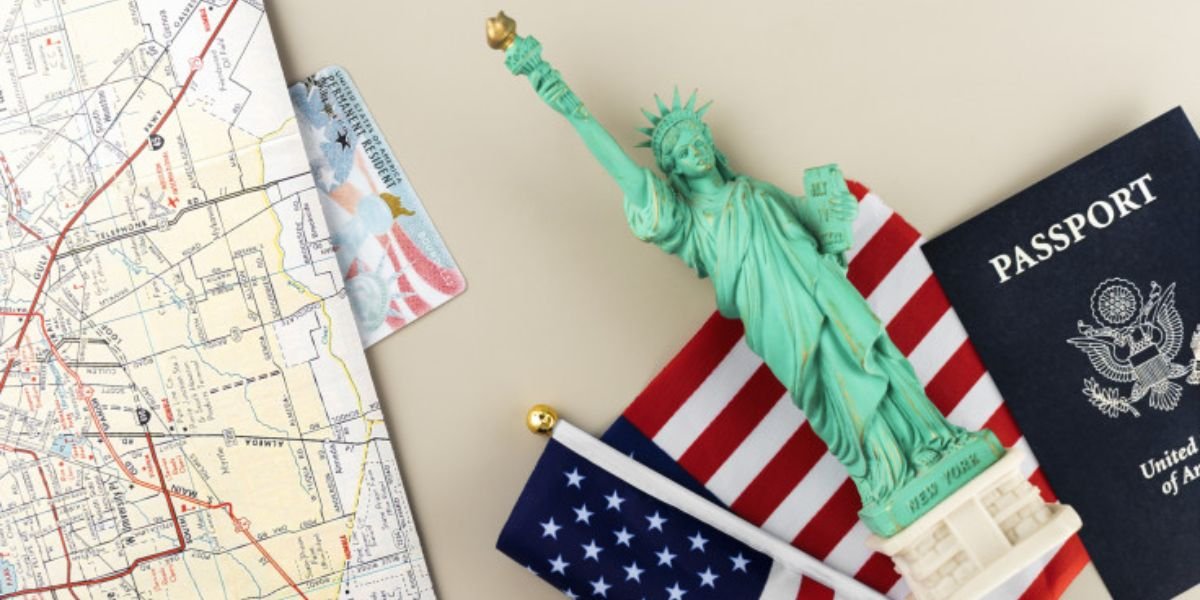
US Citizenship and Immigration Services (USCIS) has introduced stricter background screening requirements for immigration applicants, requiring enhanced checks before any case can be approved.
The updated policy took effect on 27 April and requires officers to apply expanded vetting procedures to applications for legal status, asylum, and citizenship. Under the new guidance, USCIS will use the Federal Bureau of Investigation’s Next Generation Identification system to access more detailed criminal history records through fingerprint-based checks.
Internal communications indicate that all applications must now complete this more comprehensive review before a final decision is issued. The changes follow a February executive order by President Donald Trump directing immigration authorities to increase their use of federal criminal databases.
USCIS spokesperson Zach Kahler confirmed that the agency has implemented additional security measures to strengthen the screening process through broader database access. As a result, approvals for applications that have not completed the enhanced checks are temporarily on hold.
This affects thousands of pending cases, including green card applications, asylum requests, and naturalisation petitions. Officers have also been instructed to resubmit fingerprint data for cases processed before the policy was introduced, unless an application is denied.
USCIS has stated that the delays are expected to be temporary, though processing times may increase in the short term. Applicants may therefore face longer waiting periods before receiving decisions on their cases.
The administration has said the measures are necessary to support national security. Officials argue that expanded screening will help prevent individuals with criminal records from obtaining immigration benefits. The executive order cited concerns about foreign nationals who may have breached immigration laws or committed other offences.
Critics, including civil liberties organisations, have raised concerns about the potential impact of the policy. They warn that increased scrutiny could affect certain groups disproportionately and may create additional obstacles for applicants who do not pose a risk. Some have also questioned whether the expanded checks could affect procedural fairness.






Comments
No comments yet — be the first.