
Former Kenyan Refugee Ilhan Omar Under US Probe Over Questions About Citizenship Records
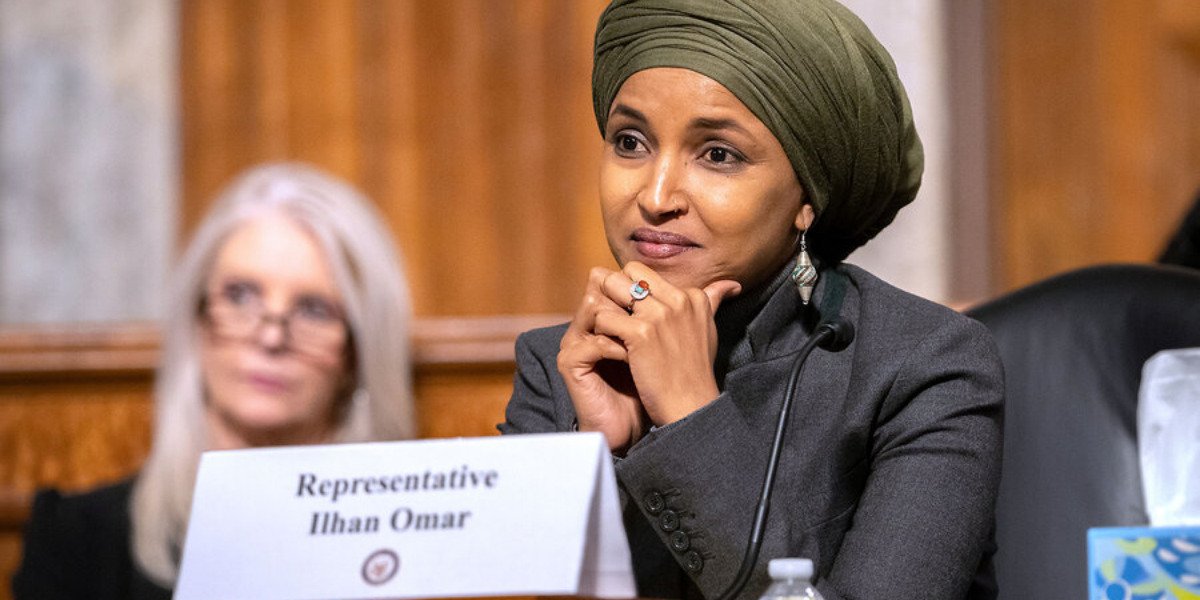
US federal authorities are investigating Congresswoman Ilhan Omar over allegations that false information may have been provided in immigration documents linked to her and her family, raising the possibility of legal action that
could threaten her citizenship.
Federal agents searched Omar’s Washington residence in October and seized electronic devices as part of the investigation. Reports indicate that prosecutors have also issued subpoenas to members of her family as they examine whether information submitted during immigration and naturalisation procedures was accurate.
The investigation is reportedly examining possible offences involving immigration fraud and false statements. Authorities are seeking to establish whether any inaccuracies in the records affected Omar’s eligibility for US citizenship. However, no formal finding of wrongdoing has been announced, and the investigation has not resulted in a legal determination against her.
Omar, a Democratic representative for Minnesota in the US House of Representatives, has rejected the allegations and described the investigation as politically motivated. She has accused President Donald Trump’s administration of using federal agencies to target political opponents, arguing that the inquiry forms part of a wider effort to intimidate critics of the administration.
Born in Somalia, Omar fled the country with her family during the civil war and spent part of her childhood in a refugee camp in Kenya. She arrived in the United States in 1995 and became a US citizen in 2000 through her father’s naturalisation. Her journey from refugee to elected representative has been a central part of her public profile.
The investigation reportedly centres on whether information about Omar’s age and her father’s background was accurately recorded in immigration documents. The questions are significant because they could affect the legal basis on which she obtained citizenship as a minor. Her father died in 2020.
Any attempt to revoke Omar’s citizenship would require the government to establish that it was obtained unlawfully. Such proceedings are legally complex, and denaturalisation cases have historically been rare. The authorities have not announced a final decision on whether to pursue charges or seek to revoke her citizenship.
The inquiry comes as the Trump administration increases its efforts to enforce immigration laws and review cases involving naturalised citizens. Supporters of the approach argue that the government must investigate suspected fraud and ensure that applicants meet legal requirements. Critics warn that expanding such investigations could create uncertainty for immigrants who have lived in the country for decades and established permanent ties.
The case has particular significance for refugee and immigrant communities, whose legal records may span several countries and periods of displacement. In some cases, obtaining reliable birth certificates and other official documents can be difficult, especially for people who fled conflict.
Immigration advocates warn that investigations into historical records could cause concern among naturalised citizens, while enforcement supporters maintain that citizenship should not prevent scrutiny where credible evidence of fraud exists.






Comments
No comments yet — be the first.