
Vihiga Man Who Died in UK Ignored Persistent Back Pain, Relied on Panadol to Keep Working
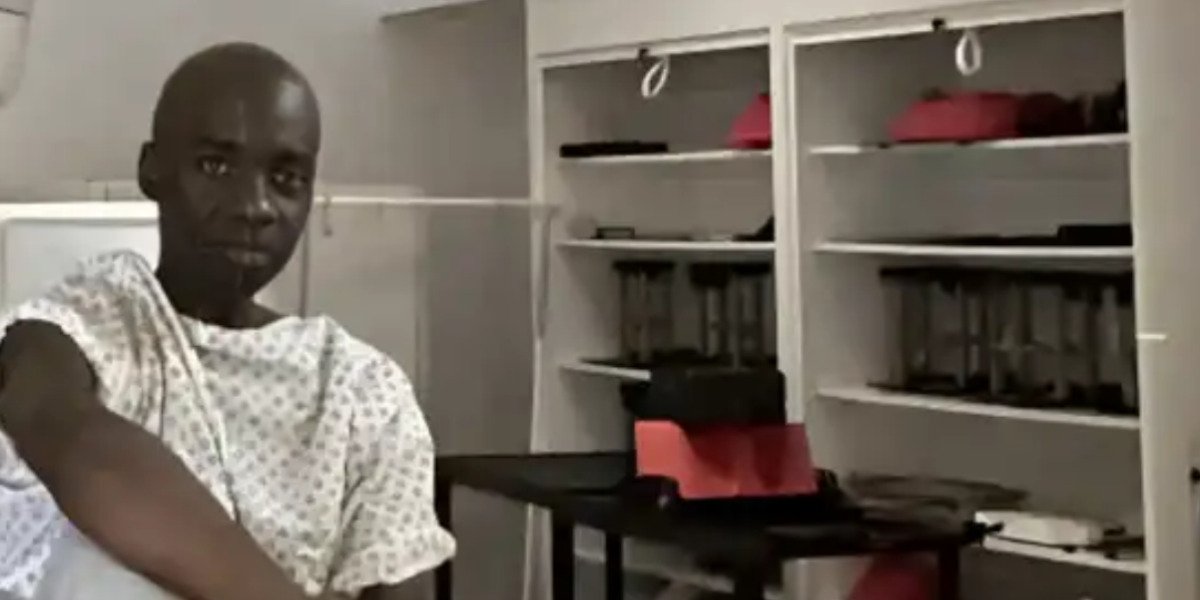
Roy Mugera, a 32-year-old barman from Dagenham, has died after living with synovial sarcoma, a rare and aggressive cancer.
His funeral will take place on Tuesday, 21 July, in Vihiga County, Kenya, after a memorial service in the UK. Mugera's health problems began in 2023 when he developed persistent back pain.
At first, he believed the pain was caused by the physical demands of his work, including lifting kegs, carrying stock and restocking shelves. He managed the discomfort with over-the-counter painkillers, but his condition steadily worsened.
The pain became so severe that he stopped sleeping in his bed and instead rested on chairs and sofas. He later discovered a lump on his side, which led to further medical tests.
After several GP appointments and months of uncertainty, a biopsy confirmed that he had synovial sarcoma. Doctors told him the cancer could not be cured. He was unable to continue chemotherapy because of its side effects, while radiotherapy temporarily reduced the tumour before the disease returned and spread to his lungs.
During his illness, Mugera was admitted to hospital several times, including two occasions when he developed life-threatening sepsis. He spoke openly about the challenges of living with a rare cancer and the isolation he felt after receiving his diagnosis.
"When I first heard the word sarcoma, I felt very alone," he said, recalling how he searched for other people with the same condition.
Mugera also used his experience to raise awareness of rare cancers. Sarcoma UK said his story supported efforts to highlight research funded through its Synovial Sarcoma Fund. By sharing his experiences, he helped draw attention to the difficulties faced by people living with rare forms of cancer and the need for continued research.
His death has been mourned by relatives and friends. A memorial service was held on Thursday, 16 July, before his remains were returned to Kenya. He will be buried on Tuesday, 21 July, in Vihiga County, where his parents, Solomon and Roselyn Mugera, will lay their son to rest.






Comments
No comments yet — be the first.