
Trump's Unfulfilled Promises as Iran Conflict Persists
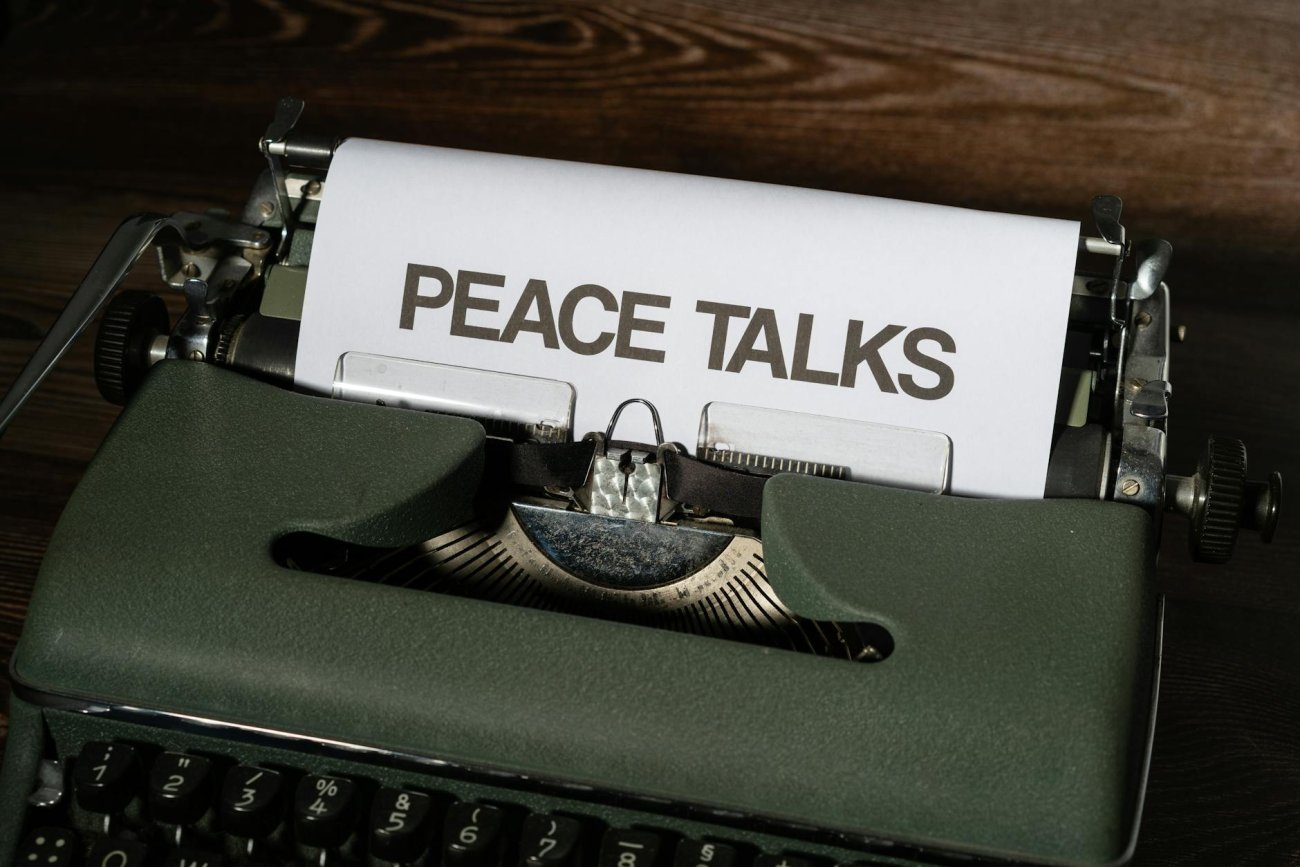
As the conflict in Iran continues to embroil the United States, President Donald Trump faces mounting criticism over the unfulfilled promises made to support Iranian protesters and stabilize the region. Since the resurgence of hostilities, the Trump administration has struggled to deliver on assurances of a decisive resolution, leaving many in Iran and the international community questioning the efficacy of U.S. foreign policy in the Middle East.
President Trump's initial campaign promises included a strong stance against Iranian influence, with pledges to support democratic movements within the country. However, as the war stretches into its second year, these promises remain largely unfulfilled. "We've seen a disconnect between the administration's rhetoric and the reality on the ground," noted a senior State Department official, speaking on condition of anonymity due to the sensitive nature of the ongoing conflict.
U.S. Secretary of State Marco Rubio, addressing the situation in a recent press conference, emphasized the challenges faced by the administration. "Our commitment to the security of the region and supporting the legitimate aspirations of the Iranian people remains unwavering," Rubio stated. However, the complexities of the conflict and the entrenched positions of various stakeholders have complicated efforts to broker a lasting peace.
The ongoing conflict has also drawn criticism from within the United States. Many lawmakers have expressed concerns about the financial and human costs associated with the military involvement. According to a recent report by the Congressional Budget Office, the U.S. has spent over $50 billion on military operations and humanitarian aid related to the conflict since its inception. These expenditures have sparked debates about the sustainability and strategic objectives of the U.S. presence in Iran.
Iranian officials have seized upon the perceived shortcomings of U.S. policy to bolster their domestic narratives. "The promises made by the American administration are empty," declared an Iranian government spokesperson, dismissing the potential for any meaningful support from the U.S. as propaganda. This sentiment has been echoed by many Iranian citizens, who have grown increasingly skeptical of foreign intervention as a path to reform.
The implications of the U.S.-Iran conflict extend beyond the immediate region, affecting global diplomatic dynamics and security considerations. Developing nations, particularly those in Africa, have watched the ongoing situation with concern, mindful of the potential ripple effects on global oil markets and economic stability. As countries navigate their diplomatic relationships with both the United States and Iran, the outcome of this conflict remains a critical factor in shaping future alliances.
While the Trump administration continues to face international scrutiny, the path to resolving the conflict remains uncertain. Secretary Rubio has indicated that diplomatic efforts are ongoing, but the lack of visible progress has fueled skepticism. As the situation evolves, the world watches closely for shifts in policy that might bring an end to the protracted conflict and fulfill the administration's promises of peace and stability in the region.






Comments
No comments yet — be the first.