
AI-Engineered Viruses Pose New Challenges for Global Security
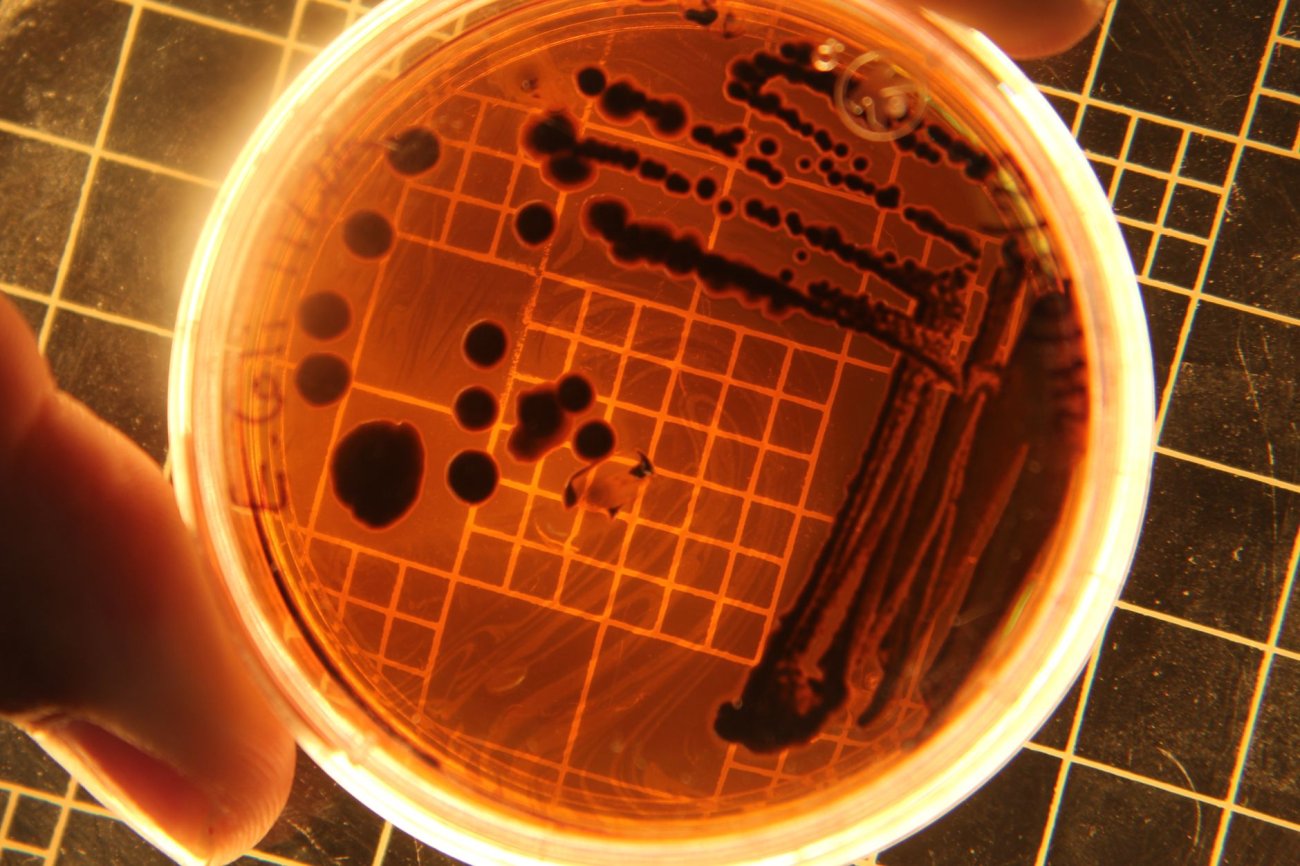
A groundbreaking development in biotechnology has raised crucial security concerns globally, as scientists have successfully engineered 16 new viruses using artificial intelligence. The research, conducted by a team of international scientists, marks a significant leap in genetic engineering, with AI algorithms designing the genetic sequences of these synthetic viruses. While the scientific community acknowledges the potential benefits, such as advancing medical research and vaccine development, the risks associated with artificial intelligence-driven genetic engineering are bringing new challenges to the forefront of global security discussions.
The research team utilized advanced AI models to simulate millions of potential genetic combinations, ultimately synthesizing 16 viable viruses. This use of AI in virology underscores the technology's vast potential. However, it also raises the specter of dual-use applications, where the same technologies could be exploited for malevolent purposes. Experts warn that without stringent biosecurity measures, the risk of intentional misuse or accidental release of AI-designed pathogens could lead to significant health crises.
"The transformative potential of AI in biology is undeniable," stated Dr. Jane Doe, a leading virologist at the World Health Organization, "but so are the ethical and safety challenges. We must ensure robust international frameworks are in place to govern these technologies." The WHO is reportedly in discussions with global partners about enhancing existing treaties like the Biological Weapons Convention to address AI-generated bio-threats.
Governments worldwide are taking note of these developments. In the United States, Secretary of Defense Pete Hegseth announced a review of national biosecurity protocols to integrate safeguards against AI-engineered biological threats. "Our priority is to ensure that advancements in AI and biotechnology do not outpace our ability to protect our citizens," Hegseth remarked during a recent defense briefing. The U.S. Department of Defense is spearheading initiatives to collaborate with research institutions and the private sector to establish comprehensive biosecurity measures.
The implications of AI-driven virology extend beyond the borders of developed nations, impacting developing countries with limited resources to counter biosecurity threats. The African Union has highlighted the need for international support in enhancing the continent's biosecurity infrastructure, pointing out potential vulnerabilities. "Partnerships and technical assistance are crucial to safeguard our populations against emerging biological threats," emphasized Dr. Kwame Mensah, Chair of the AU's Health Security Initiative.
As AI continues to revolutionize the field of virology, the global community faces the dual challenge of harnessing its vast potential while safeguarding against its risks. Continuous dialogue and cooperative efforts will be essential in developing effective governance frameworks that balance innovation with security.






Comments
No comments yet — be the first.