
Total Solar Eclipse Sweeps Across Europe
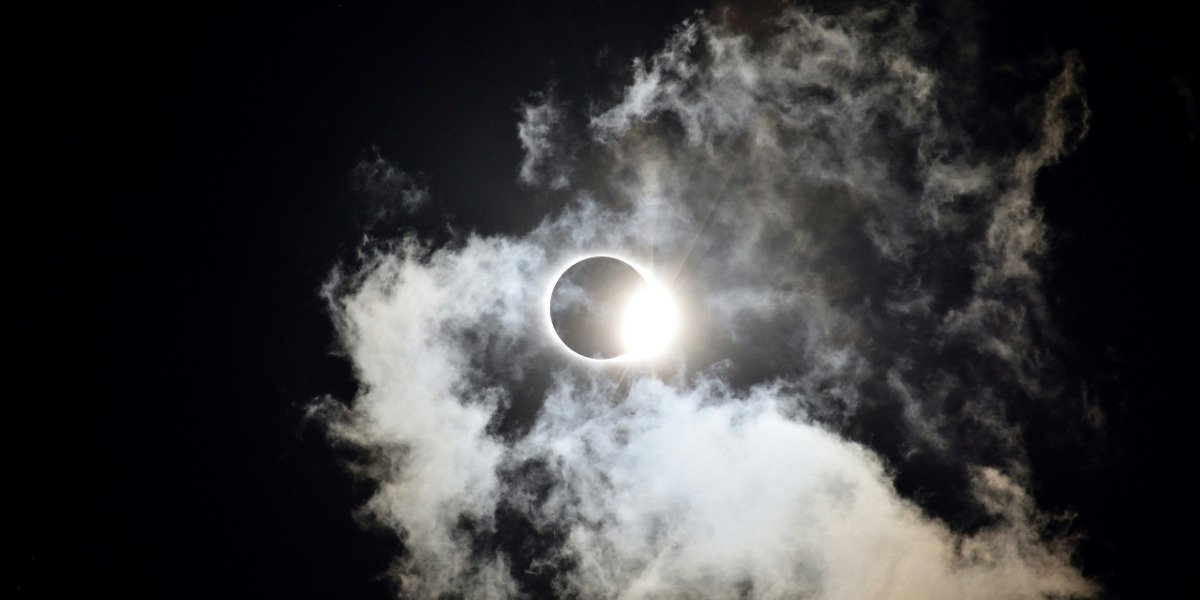
A total solar eclipse crossed the northern hemisphere on Wednesday, passing from Russia’s Arctic frontier through Greenland and Iceland before reaching southern Europe.
The eclipse began in northern Russia at about 1700 GMT, as the Moon’s shadow blocked the Sun and revealed its corona. It then moved south across Greenland and Iceland before reaching Spain, where large crowds gathered to watch the event.
For mainland Europe, it was the first total solar eclipse in 20 years. Spain had not experienced one for more than a century, while Reykjavik had not seen a total eclipse since the 15th century.
In Spain, usually quiet towns filled with visitors as thousands gathered in parks and public squares. Yenny Guevera, a Peruvian resident of France, said it was likely to be the only eclipse she would see. Engineer Mercedes Bua said she was fascinated by the changes in light and the artistic possibilities created by the event.
Protective eclipse glasses sold quickly as millions of people across Europe, Canada, the northern United States and north-west Africa watched the partial eclipse. During totality, temperatures can fall, shadows can change shape and animals may behave as if night has arrived. The total phase lasts only a few minutes, although the partial stages extend the event to almost two hours.
The eclipse also provided scientists with an opportunity to study the Sun’s atmosphere. NASA and the European Space Agency livestreamed the event while researchers examined solar winds and magnetic fields. British solar physicist Lucie Green, who watched from a boat off Mallorca, described the experience as deeply moving.
In Iceland, cloud cover threatened to prevent people from seeing the eclipse in the Westfjords. Astronomer Saevar Helgi Bragason said he felt both excited and disappointed as he waited for a possible break in the clouds. He described totality as the shortest and most sudden period of darkness people were likely to experience.
Spain had clearer skies, although authorities also faced concerns over high temperatures and the risk of wildfires. The eclipse was also expected to provide an economic boost to Spain. Authorities estimated that almost 500,000 additional tourists would visit the country, generating about €347 million.
Interior Minister Fernando Grande-Marlaska said 25,000 police officers had been deployed across the country to manage the crowds. Eclipses have been viewed throughout history as omens, marvels and signs of divine intervention. The latest event again brought large crowds together to watch a rare alignment of the Sun, Moon and Earth.
The Moon’s shadow moved out over the Mediterranean at about 1830 GMT, bringing the total eclipse to an end in Europe.






Comments
No comments yet — be the first.