
Kenyan Woman in Maryland Secures $800,000 US Grant to Grow Managu, Misheveve
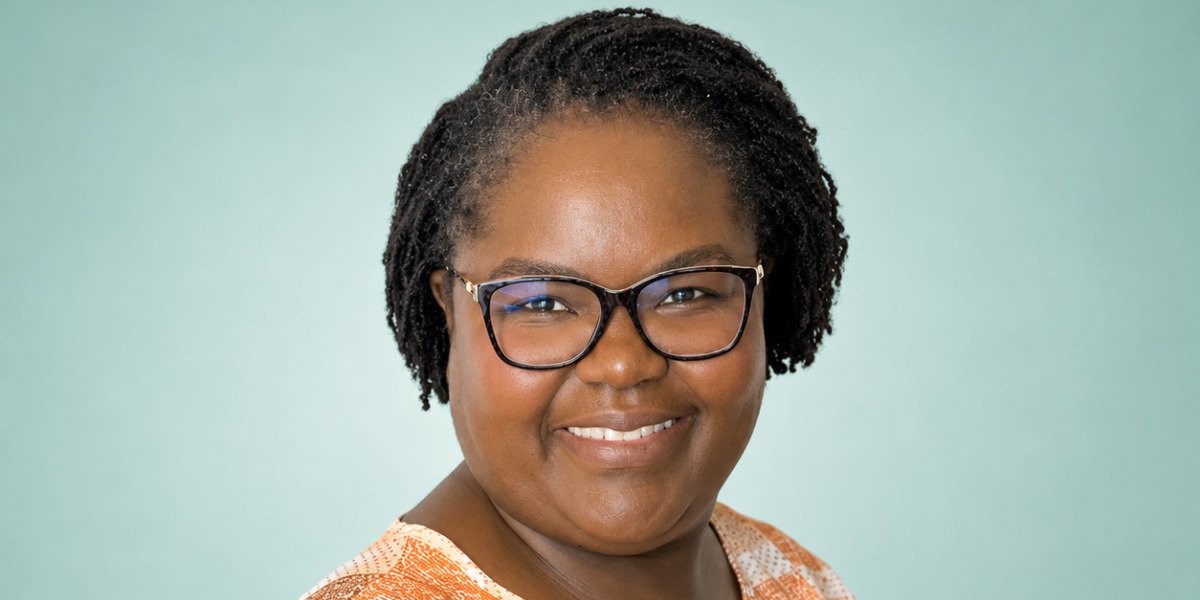
Dr Truphena Choti, founder of the AfriThrive Community Food Center in Maryland, has secured an $800,000 federal grant to expand her work growing traditional African vegetables in the United States.
The grant was formally presented this week by Maryland Senator Chris Van Hollen. It recognises AfriThrive’s work to improve access to nutritious food and address diet-related illnesses and food insecurity. Dr Choti began AfriThrive by growing vegetables she missed after leaving Kenya, including managu (African nightshade), saga (pigweed) and kunde (pea leaves), which were part of her childhood in Kisii.
The garden soon attracted members of the African diaspora seeking familiar foods and a connection to their cultural heritage. AfriThrive now serves about 20,000 people each year, providing fresh produce that is both nutritious and culturally familiar.
The new funding will enable the Essex-based centre to expand its facilities and operations. Plans include cold storage, food preparation areas and infrastructure to support year-round cultivation and safe distribution. The grant will also fund nutrition education and Food-as-Medicine programmes, linking AfriThrive’s work more closely with public health initiatives.
“You cannot teach healthy eating in isolation from healthy food access,” Dr Choti said. “People need both knowledge and food on the table.”
Dr Choti grew up in rural Kisii, where she recalls families producing much of their own food. That experience has shaped her belief that food security should provide both nourishment and dignity.
“We want families to have access to foods they know, foods they enjoy, and foods that remind them of home,” she said.
For African diaspora communities, the vegetables provide more than nutritional value. They also offer a connection to identity, culture and a sense of belonging.
Dr Choti has about 20 years of experience in international development and sees agriculture as a means of supporting wider social change. AfriThrive combines food distribution with education, youth engagement and community programmes aimed at strengthening resilience.
By connecting traditional African foods with modern health initiatives, she hopes to help reduce diet-related illnesses while strengthening community ties. The grant also provides recognition for the role of diaspora-led organisations in addressing food and health challenges.
AfriThrive’s development shows how an initiative rooted in cultural heritage can become part of wider efforts to improve community wellbeing. Dr Choti said her connection to her Kenyan roots remains central to her work.
“No matter how far I have travelled from Kisii, the soil still takes me home,” she said.
With the new funding, AfriThrive is set to expand its facilities and programmes, continuing its work to provide nutritious food while preserving cultural connections for families in the United States.





Comments
No comments yet — be the first.