
Palestinian Families in West Bank Siege Highlight Mounting Tensions
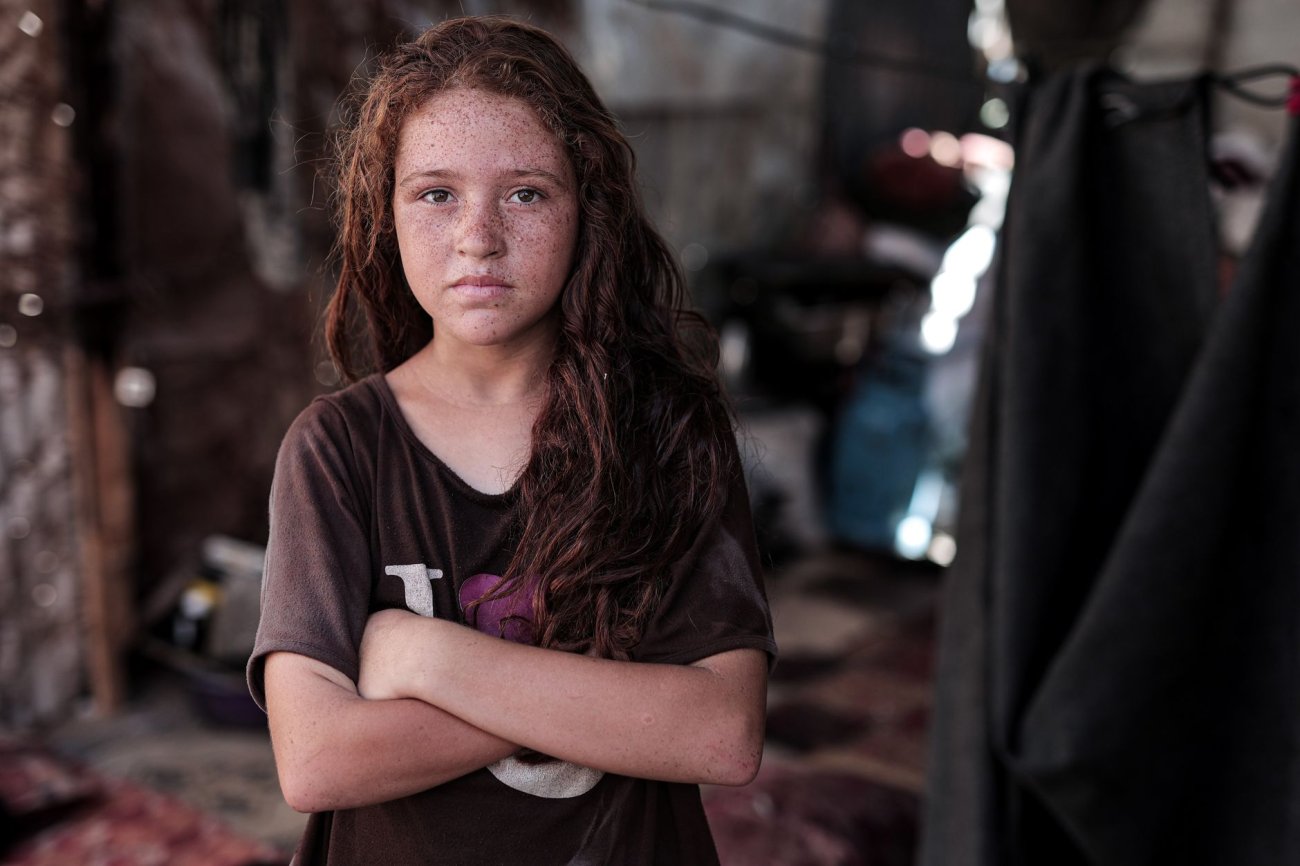
The situation in the West Bank has once again captured international attention as reports emerge of two Palestinian families being besieged by settlers. The latest incident underscores the growing chaos in the region, placing the spotlight on the Israeli army's ongoing struggle to manage settler violence and offer adequate protection to Palestinians living in the occupied territory. According to human rights organizations, these families have been confined to their homes for days, unable to leave due to threats from settlers.
This incident comes amid a reported increase in settler attacks across the West Bank, an area that has long been a focal point of Israeli-Palestinian tensions. Official statistics indicate a rise in such episodes, with more than 500 documented cases of violence against Palestinians and their property by settlers this year alone, a significant increase from previous years. The Israeli army, responsible for maintaining order in the occupied territories, has been criticized for its response. Human rights advocates argue that the military's actions have often been insufficient or delayed.
"We are witnessing a dangerous escalation in settler violence," stated Alon Liel, a former Israeli diplomat with extensive experience in the region. "The military's inability to curb these incidents not only endangers Palestinian lives but also undermines Israel's own security objectives." The United Nations has also voiced concern, with its recent report highlighting the lack of accountability for perpetrators of settler violence, often leading to further unrest.
The complex dynamics of the West Bank situation are further complicated by political developments within Israel. Prime Minister Benjamin Netanyahu's government, which relies on the support of pro-settler parties, faces pressure both domestically and internationally to address the violence without alienating its political base. Meanwhile, Palestinian leaders have called for international intervention, emphasizing the urgent need for protective measures for their communities.
"The international community cannot remain silent in the face of these violations," insisted Riyad al-Maliki, the Palestinian Foreign Minister, in a recent address. He urged global actors to take a more active role in ensuring the safety and rights of Palestinians under occupation. The call for international involvement resonates particularly with advocates in developing nations, who view the struggle in the West Bank as part of a broader narrative of resistance against occupation and inequality.
As the situation unfolds, attention remains fixed on how the Israeli government and military will address these incidents and what impact this will have on the fragile peace process. The developments are likely to influence the broader geopolitical landscape, affecting diplomatic relations and the potential for renewed negotiations between the conflicting parties. Observers are closely monitoring the situation, aware that the outcomes could have lasting implications not only for the region but for global peace and security.






Comments
No comments yet — be the first.