
How America’s Ageing Population Is Creating Jobs for Kenyan Care Workers
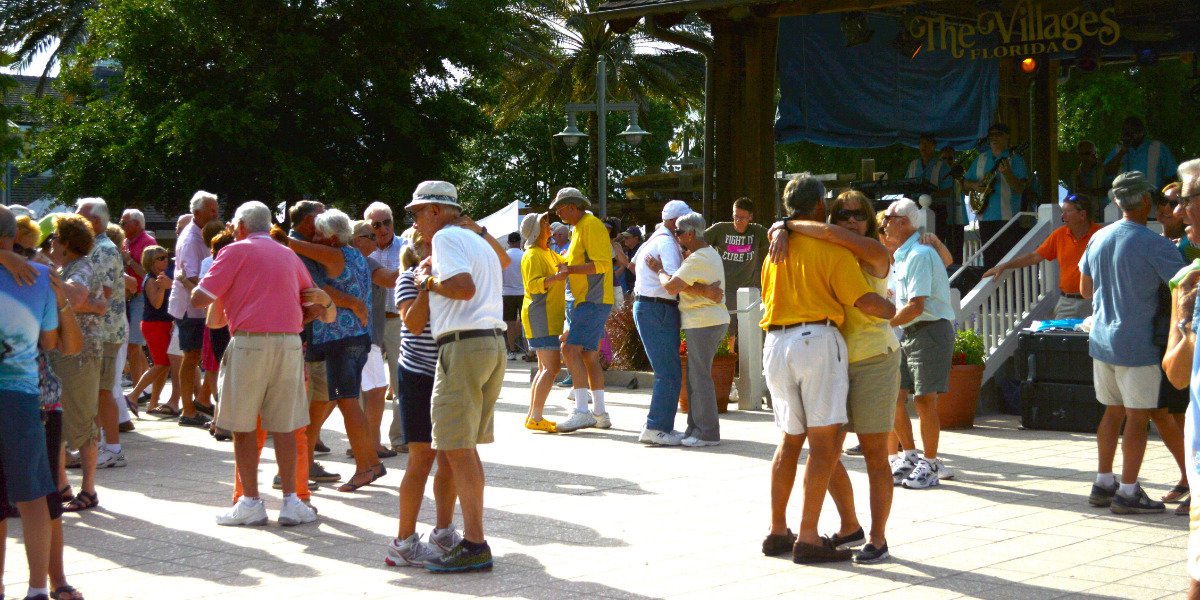
The Villages in central Florida, the world’s largest master-planned retirement community, has more than 130,000 residents in its wider metropolitan area and offers a model of later-life living built around independence, specialised services and dedicated infrastructure.
The community reflects a broader shift in how older Americans live and receive care. Greater geographic mobility and the decline of extended-family households have reduced reliance on relatives for day-to-day support, increasing demand for communities that combine residential living with access to medical and personal services.
These developments are supported by a large financial and healthcare system that includes private savings, long-term care insurance, corporate healthcare providers and government programmes such as Medicare and Medicaid. Retirement communities have expanded particularly across the Sun Belt, which stretches from Florida through Texas to California and has become a major centre for senior living.
The model is also beginning to influence Africa, where urbanisation and changing economic conditions are affecting traditional approaches to caring for older people. South Africa has already developed hundreds of retirement villages and life-rights communities, with many providing frail care and assisted living.
In East Africa, Kenya is showing early signs of a similar shift. Assisted-living services are emerging in areas such as Karen in Nairobi and along Mombasa Road, indicating growing interest in more specialised forms of senior care. The development of eldercare communities is also creating employment opportunities.
The US senior-care industry relies heavily on immigrant workers, including healthcare professionals from African countries such as Kenya. Although official census data does not identify Kenyan workers specifically within The Villages, Kenyans work across the wider sector in assisted-living facilities, nursing homes and home-care services.
Staff shortages in retirement communities and other eldercare facilities have increased demand for foreign-born workers. Employers increasingly require workers who can provide both clinical care and support with daily living and recreational activities.
For Kenyan professionals seeking employment in the US, this creates opportunities beyond traditional clinical roles. Lifestyle support has become an important part of eldercare and includes non-medical services such as meal preparation, housekeeping, transport and participation in enrichment programmes.





Comments
No comments yet — be the first.