
Kenya’s Remittances Rise 6% to $451.8 Million in August
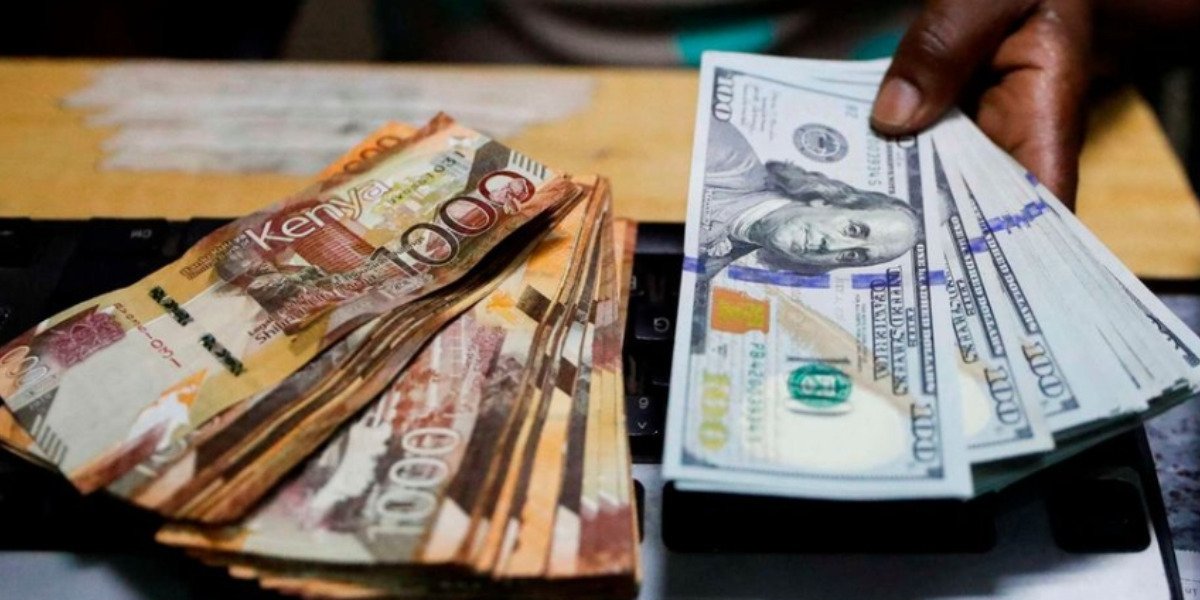
Kenya’s diaspora remittances rose by 6 per cent year on year to $451.8 million in August, according to the latest Central Bank of Kenya (CBK) bulletin.
The increase marks a recovery after a weaker first half of 2026. In August last year, remittance inflows stood at $426.1 million. Transfers from North America were the main driver of the increase. The United States remains Kenya’s largest source of remittances, helping offset weaker inflows from other regions.
Remittances provide important support for household expenses, education, housing and healthcare. They also contribute to Kenya’s foreign exchange reserves. Despite the August increase, total inflows over the 12 months to August were $5.013 billion, down slightly from $5.079 billion over the same period in 2025.
The decline reflects weaker inflows earlier in the year. Remittances fell by more than 3 per cent during the first six months of 2026, marking the sharpest first-half decline since the global financial crisis. Transfers from North America fell by 11.6 per cent over the same period.
Monthly inflows have also varied. Remittances reached a record $450.29 million in March before declining in April, May and June. External pressures have affected some major remittance corridors, particularly in the Gulf. Regional conflict has disrupted economic activity, while Saudi Arabia’s introduction of a 15 percent value-added tax on money transfers has increased transfer costs.
Remittances from Saudi Arabia fell by a quarter in 2025, raising concerns about the outlook for inflows from the Middle East. CBK Governor Kamau Thugge has lowered the central bank’s forecast for remittances in 2026 to $5.1 billion from the previous estimate of $5.42 billion. The revision reflects risks linked to conditions in the Gulf, despite continued support from North America.
Remittances remain Kenya’s largest source of foreign exchange, ahead of traditional sources such as tea, tourism and horticulture. Kenya’s foreign exchange reserves stood at $15.088 billion as of 17 September, equivalent to 6.1 months of import cover. This is above the statutory minimum of four months and provides a buffer for the country’s external position as remittance flows fluctuate.






Comments
No comments yet — be the first.