
Matatu Industry Issues 7-Day Ultimatum on Increased Fuel Levy
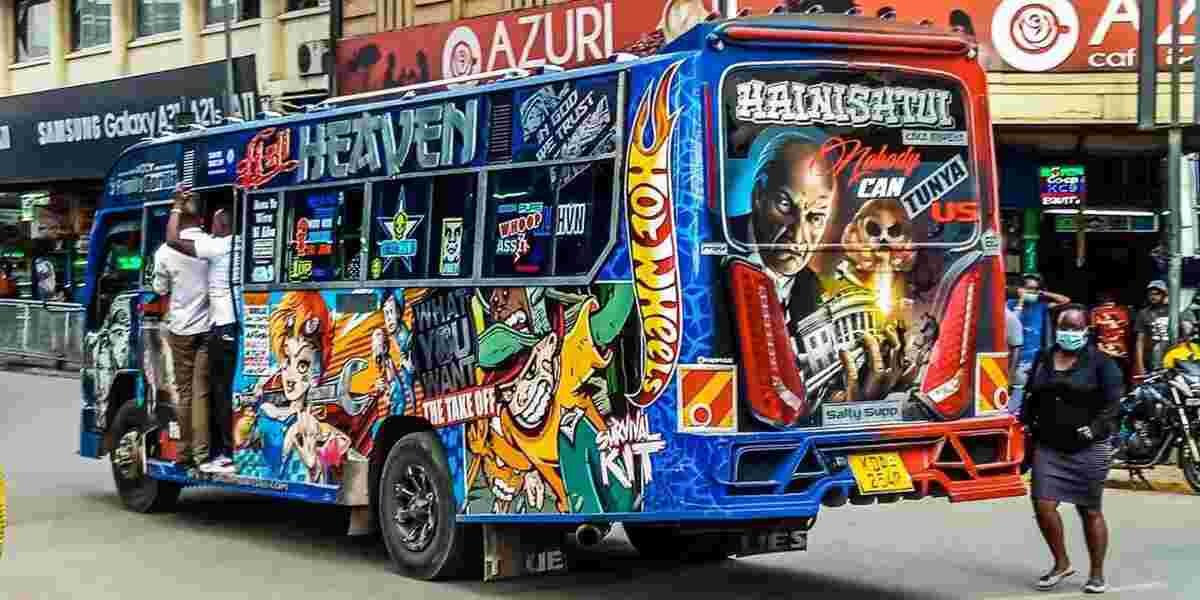
The public transport sector in Kenya has issued an ultimatum to the government, threatening industrial action if the recently increased road maintenance levy is not rescinded.
The levy, which was raised from Sh18 to Sh25 per litre of petrol and diesel, has sparked outrage among various transport associations including those representing long-distance drivers, taxi operators, and matatu services. Speaking to the media in Nairobi on Wednesday, sector representatives condemned the increase as both illegal and discriminatory. The contentious levy was part of the controversial Finance Bill 2024, which President William Ruto has since withdrawn. However, the road maintenance levy remains a point of significant contention.
Benard Omondi, chairman of the Public Service Vehicles - Business Membership Co-operation of Kenya, articulates the sector's grievances, emphasizing the lack of public participation in the decision making process. He accuses the government of impunity and disregard for due process, particularly in light of declining global fuel prices. Omondi has issued a seven-day ultimatum for the government to reverse the increase or face widespread industrial action. The Energy and Petroleum Regulatory Authority (EPRA) implemented the levy increase during its monthly fuel price review from July 15 to August 14.
Despite a marginal reduction in fuel costs, the simultaneous increase in the road maintenance levy has drawn widespread criticism. Peter Murima, chairman of the Motorists Association of Kenya, expresses shock at the levy increase, citing previous assurances from former Transport CS Kipchumba Murkomen that no such increase would occur. Murima argues that the previous levy was sufficient for road repairs and suggested that additional funding should come from the Consolidated Fund.
The transport stakeholders also raise concerns about the efficiency of road maintenance, criticizing the Performance Based Road Maintenance Contracting (PBRC) system. They argue that this system has led to private companies, some allegedly owned by government officials, taking over road repairs, contrasting this with more efficient models used in countries like China. In addition to their demands regarding the levy, the transport sector representatives call for the restructuring of the National Transport Safety Authority (NTSA) and the disbandment of EPRA. They have accused EPRA of serving political interests rather than the public good and criticized its lack of independent commissioners.
The Law Society of Kenya has joined in condemning the levy increase, deeming it unconstitutional. Oil and gas expert David Maundu highlights the poor timing of the increase, noting that global fuel prices are expected to hit a two-year low in August, making the levy hike particularly burdensome for Kenyans. The potential strike poses a significant threat to Kenya's economy, given that approximately 80% of the workforce relies on public transport for daily commuting.






Comments
No comments yet — be the first.