
H-2A Farm Nonimmigrant Workers Could See Drop in Minimum Hourly Wages
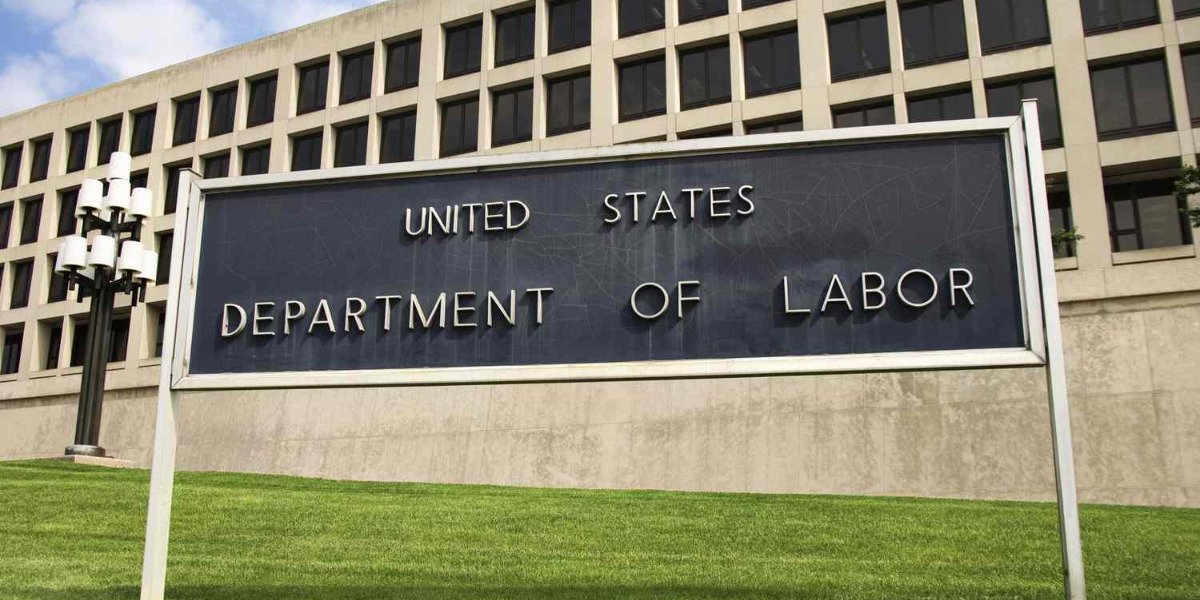
The US Department of Labor has issued an interim final rule that will change how wages are set for foreign agricultural workers employed under the H-2A visa programme, with new rates due to take effect in 2026.
The rule updates the method used to calculate the Adverse Effect Wage Rate (AEWR), the minimum hourly pay that employers must offer to both H-2A workers and comparable domestic workers. Instead of relying on the Department of Agriculture’s Farm Labour Survey, the Department will now base AEWRs on data from the Bureau of Labor Statistics’ Occupational Employment and Wage Statistics survey, which provides broader wage information across states and territories.
According to an analysis by the Centre for Immigration Studies, the revised calculation could reduce hourly wages to between $8 and $17 in 2026, compared with the $15 to $20 required in 2025. Supporters say the change may ease pressure on farmers facing rising labour costs, while critics warn that lower pay could further weaken the position of migrant workers in a demanding sector.
The rule also establishes a new classification system. Most agricultural jobs will be assigned to one of five occupational codes that cover common field and livestock roles. These codes will then be split into two skill-based categories, reflecting the qualifications and responsibilities listed in employers’ job descriptions.
Other agricultural occupations will follow a similar two-tiered structure, with wage rates determined by the duties performed for most of the employment period.
In addition, the Department will apply a standard adjustment to account for non-monetary benefits such as housing, which H-2A workers typically receive at no cost.
Officials state that this aims to create greater parity between the total value of compensation provided to domestic and foreign workers. Farmers in labour-intensive industries have long argued that H-2A wage requirements exceed local market rates and put pressure on their operations.
Lower mandated wages may reduce costs and support continued use of the programme. However, worker advocates caution that reduced earnings could heighten the economic vulnerability of migrant labourers, who often have limited employment alternatives.
The Department maintains that the revised approach offers a more consistent and transparent wage-setting process by aligning agricultural pay with broader occupational data.






Comments
No comments yet — be the first.