
Why Muslims Celebrate Eid al-Adha
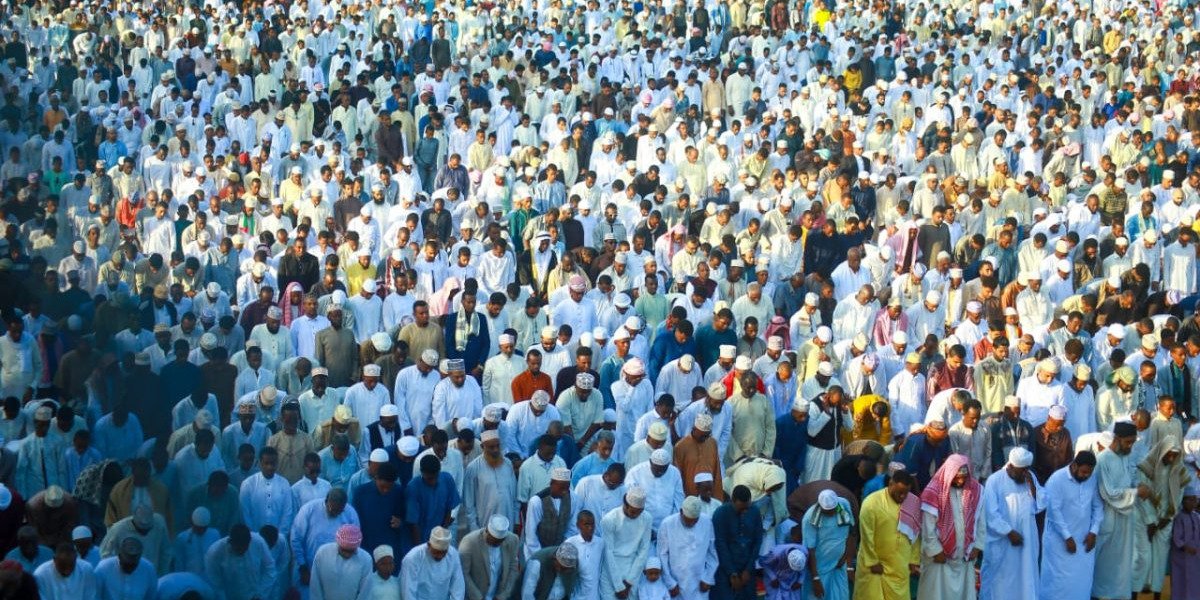
Kenya's Muslim community is observing Eid al-Adha, a significant holiday in the Islamic calendar, marked by communal prayers, animal sacrifices, and acts of charity, with celebrations peaking on the 10th day of Dhul Hijjah.
The public holiday allows faithful freedom of observance. The occasion, also locally known as Idd-ul-Adha, commemorates Prophet Ibrahim's willingness to sacrifice his son as an act of obedience to God, a trial ultimately averted by divine intervention with the substitution of a ram. This narrative underscores the values of faith, sacrifice, and generosity central to the holiday's meaning.
Eid al-Adha coincides with the culmination of the Hajj pilgrimage in Mecca. While only a limited number of Kenyan Muslims undertake the journey to Saudi Arabia, the spirit of the pilgrimage resonates deeply within the community. The day begins with special congregational prayers held in mosques and designated open spaces. Thousands of worshippers, dressed in traditional garments or white attire symbolising purity, gather in areas such as Nairobi's Eastleigh, Mombasa's Old Town, and Garissa to participate in these morning rituals.
Religious leaders deliver sermons that emphasise sacrifice, obedience, and compassion. A key component of Eid al-Adha is the ritual of animal sacrifice, mirroring Prophet Ibrahim's devotion. Families who can afford it slaughter livestock, typically goats, sheep, or cows, and distribute the meat in accordance with Islamic tradition. A portion is kept for the household, another shared with relatives and friends, and the remaining portion is given to those in need.
This act reinforces communal solidarity, ensuring that even underprivileged families can partake in the festivities. Celebrations extend beyond religious observances, fostering a sense of community and joy. Kenyan households prepare elaborate meals, including fragrant pilau, rich biryani, tender grilled meats, and traditional sweets such as mandazi and kaimati. Food becomes a medium for connection, as families, neighbours, and visitors come together to share in the occasion's bounty.
In coastal towns, where Islamic traditions are deeply rooted, the festive atmosphere permeates the streets, with homes adorned in vibrant decorations. Children, dressed in new outfits, receive gifts or tokens of money, further emphasising the celebratory nature of the day. Families often take the opportunity to visit relatives in rural areas, echoing travel patterns seen during major holidays across the country.
Charity remains a defining aspect of Eid al-Adha. Beyond the distribution of meat, Kenyan Muslims contribute to various humanitarian initiatives, supporting orphanages, funding educational programs, and distributing food to vulnerable populations.
Mosques and Islamic organisations facilitate these charitable efforts, reinforcing the principle that true faith manifests in acts of kindness and social responsibility.
Despite Muslims forming a minority in Kenya, Eid al-Adha is recognised as a public holiday, reflecting the country's tradition of cultural inclusivity. In cities such as Nairobi, Mombasa, Kisumu, and Wajir, communities from different backgrounds acknowledge the significance of the day, fostering a sense of national unity.





Comments
No comments yet — be the first.