
Trump Administration's Green Card Freeze Raises Concerns in Bay Area Tech Community
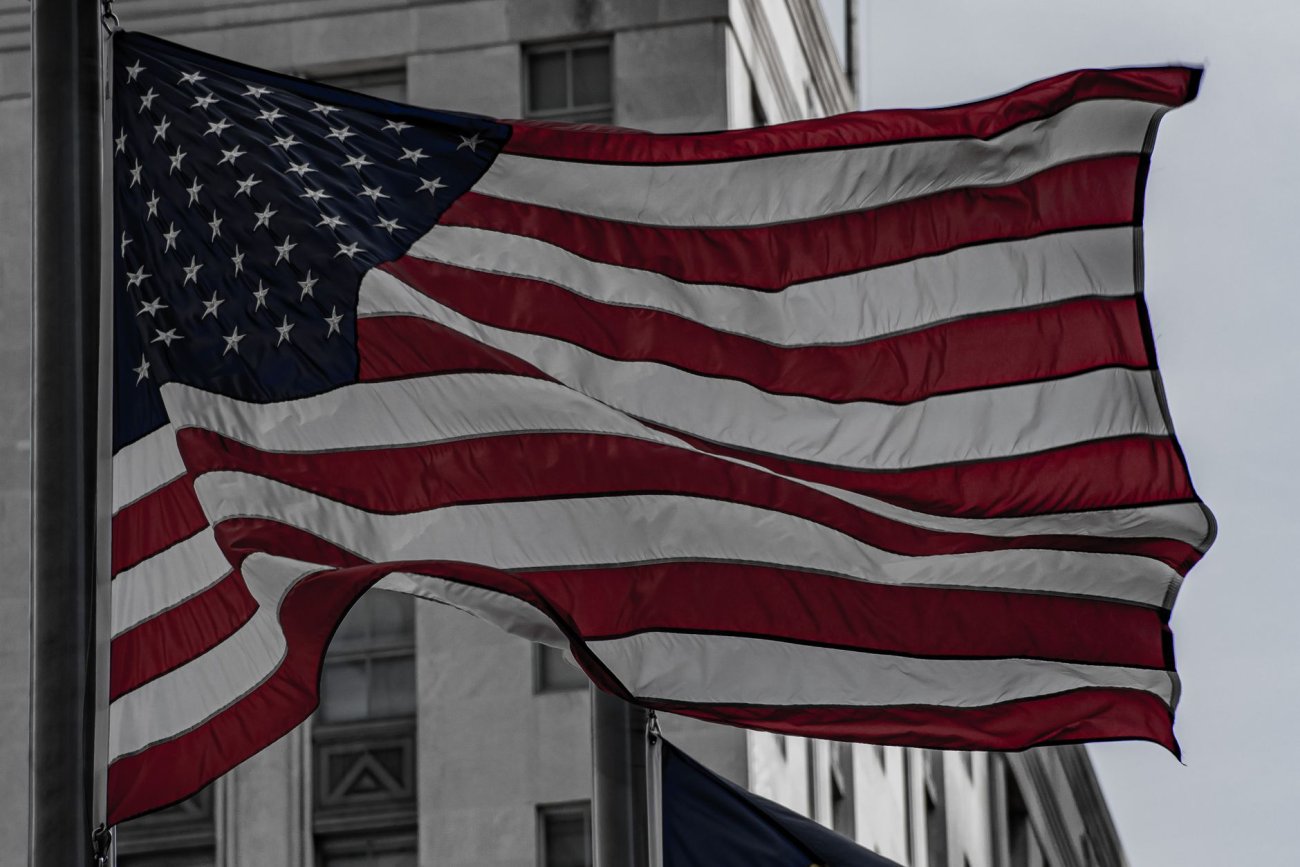
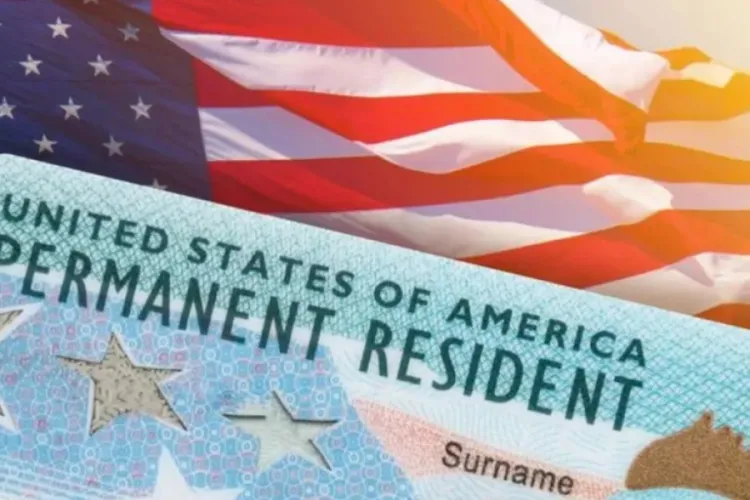
The Trump administration's recent decision to freeze the processing of green cards has raised significant concerns among tech workers and students in the Bay Area, including those from the Kenyan diaspora. The freeze, aimed at reviewing the current immigration policies, could potentially impact thousands of individuals who rely on work-based visas to maintain their legal status in the United States.
President Donald Trump's administration has implemented this freeze as part of a broader strategy to assess and potentially overhaul the immigration system. The decision has caused uncertainty, particularly in regions like the Bay Area, where a significant number of tech workers are on H-1B visas, many of whom are on the path to obtaining permanent residency through green card sponsorship.
The H-1B visa program, which allows U.S. companies to employ foreign workers in specialty occupations, has been a crucial pathway for many Kenyan nationals in the tech industry. The freeze on green cards is likely to affect those looking to transition from temporary work visas to permanent residency. As of now, there has been no indication of how long the freeze will last, leaving many in a state of limbo regarding their future in the United States.
Educational institutions and tech companies in the Bay Area are also concerned about the broader implications of this move. Universities, which host a significant number of international students, including Kenyans, who aspire to work in the U.S. tech sector post-graduation, fear that the freeze might deter prospective students due to the uncertainties in immigration policy.
In recent years, the Bay Area has become a hub for tech innovation and employment, with many companies relying heavily on the expertise of foreign nationals. The current freeze poses a risk to this ecosystem, as it could lead to a talent drain if professionals choose to seek opportunities in countries with more stable immigration policies.
This policy change comes amid other immigration-related challenges under the Trump administration, which has previously proposed tougher H-1B visa renewal reviews and increased scrutiny on work-based visas. While these measures are intended to protect American jobs, critics argue that they could stifle innovation and competitiveness in key sectors.
As the situation develops, stakeholders in the tech industry and affected individuals are closely monitoring any updates from the U.S. Department of Homeland Security and other relevant agencies. The ongoing uncertainty highlights the need for clear and consistent immigration policies that support both economic growth and the diverse workforce contributing to it.

Comments
No comments yet — be the first.