
Can Ruto and Kindiki’s Academic Credentials Translate Into Effective Governance?
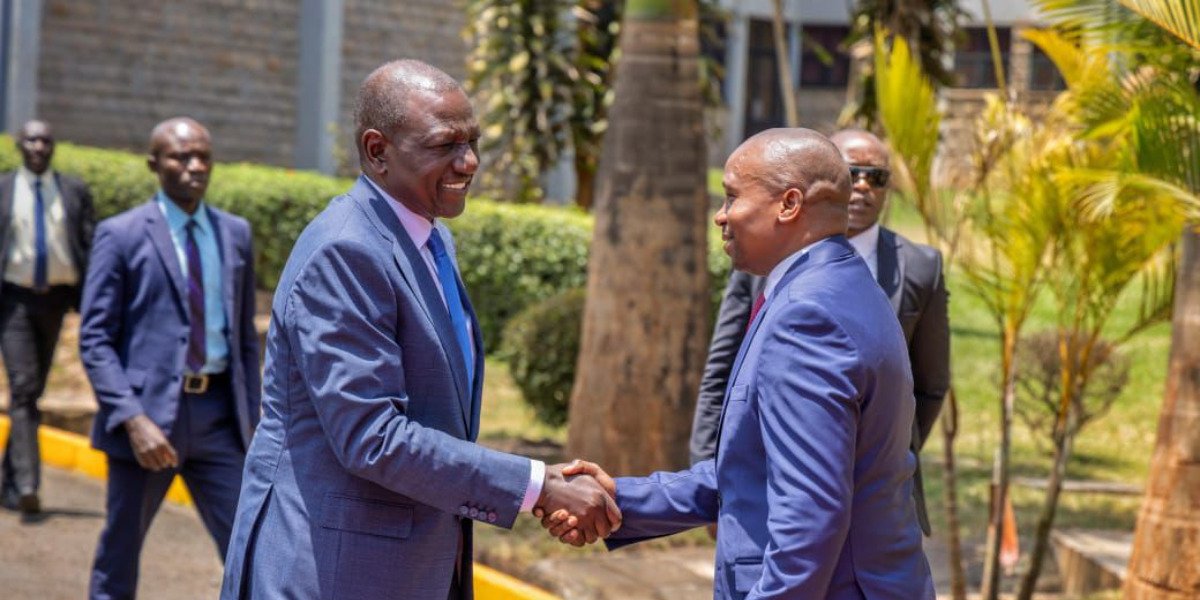
As Kenya moves closer to the 2027 elections, President William Ruto's administration, the first in the nation's history to be led by two PhD holders, faces increasing scrutiny over its ability to translate academic credentials into effective governance.
Ruto, who holds a doctorate in Plant Ecology, and his Deputy President Kithure Kindiki, a professor of law, initially sparked high expectations for transformative leadership. In 2022, Ruto's election marked a significant shift from his predecessors. Founding leader Jomo Kenyatta had previously worked as an electricity meter reader, Daniel Moi was a trained teacher, and Mwai Kibaki brought an economist's perspective. Even Uhuru Kenyatta, Ruto's immediate predecessor who studied political science, lacked the advanced academic qualifications that now define the executive branch.
Ruto's research focused on the impact of human activities on Western Kenya's riparian ecosystems. This background fueled anticipation that his presidency would uniquely blend academic rigor with practical leadership. Early enthusiasm was especially high in the Rift Valley and Mt Kenya regions, where voters saw Ruto's scholarly achievements as a catalyst for addressing Kenya's persistent socio-economic challenges. Kindiki's legal and governance expertise further bolstered this optimism.
However, this initial public sentiment has waned as practical governance challenges have surfaced. Political scientist Festus Wangwe notes that while Ruto's intellectual approach and compelling policy ideas were initially well-received, their implementation has often been hampered by deep-seated political and economic obstacles.
Charles Mwangi, a scholar from Jomo Kenyatta University of Agriculture and Technology, echoes this view. He emphasizes that Kenya's issues, including substantial debt and political divisions, require adept political maneuvering more than academic brilliance, particularly in areas such as debt restructuring and managing opposition protests.
Internal tensions have also emerged within the executive branch. While some, like Meru Senator Kathuri Murungi, praise Kindiki for stabilizing the government, others question his influence. Deputy President Rigathi Gachagua has derisively referred to Kindiki as a "professor of yes sir," suggesting that his academic background has not translated into meaningful challenges to existing power structures.
As the country approaches the 2027 polls, the central question remains: can Ruto and Kindiki's academic pedigree lead to transformative governance, or will the complex realities of managing a nation in transition prove too great a challenge?



Comments
No comments yet — be the first.