
Maraga: From Judiciary to Presidency, Here’s What I’ll Change
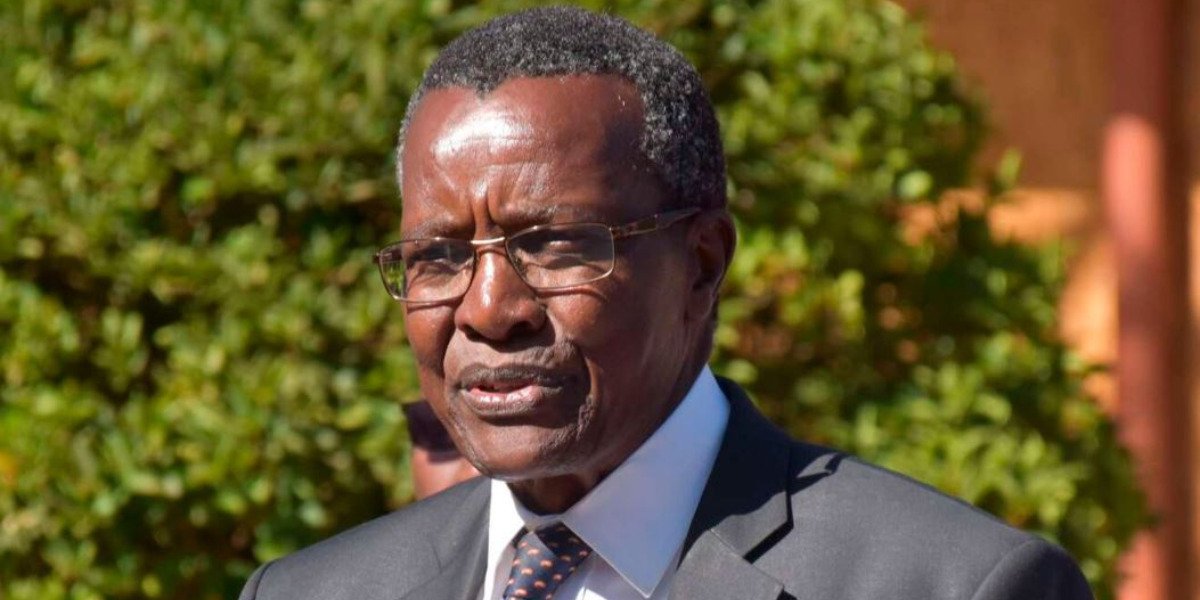
Former Chief Justice David Maraga has declared his candidacy for the 2027 presidential election, promising a platform centred on ethical governance and the restoration of constitutional order.
In a nationally televised address, Maraga, a revered figure within Kenya's judiciary, launched a scathing critique of the current administration, framing his bid as a mission to address the "breakdown of the rule of law and the erosion of public trust in institutions." Maraga, aged 74, emerges from retirement with what he describes as a sense of urgency, spurred by concerns over escalating impunity and the marginalisation of Kenya's youth.
His political approach is distinctly unconventional, directly appealing to Gen Z, whom he asserts have borne the brunt of systemic failures and state repression. This alignment builds on the widespread youth-led protests of 2024 against the Finance Bill, signalling significant generational dissatisfaction with the established political order. By tapping into this demographic, Maraga seeks to bridge generational gaps and attract young voters disillusioned with traditional politics.
Rejecting the transactional nature of Kenyan elections, Maraga has committed to a campaign free from financial inducements, opting instead for public crowdfunding to support his efforts. He views "moneyed politics" as a corrupting influence that transforms elections into high-stakes investments for politicians aiming to recoup expenses once in office. His crowdfunding strategy aims to disrupt this deeply entrenched system of electoral patronage.
His campaign narrative is stark, positioning the election as a battle between constitutional principles and criminality. Maraga's reference to children being "killed like rats" reflects widespread anger over police brutality and alleged state-sanctioned violence. Such bluntness, while unusual in Kenyan political discourse, is designed to resonate with an electorate increasingly impatient with euphemisms.
As Chief Justice, Maraga established a notable track record of integrity. In 2017, he led the Supreme Court in nullifying the presidential election, an unprecedented decision that highlighted judicial independence.
Furthermore, he advocated for gender equity by recommending the dissolution of Parliament due to its failure to implement the two-thirds gender rule. These actions form the cornerstone of his political identity, reinforcing his campaign's call for a return to the rule of law. The 2027 presidential field is already crowded. Prominent figures such as Wiper party leader Kalonzo Musyoka, former Interior CS Fred Matiang'i, People's Liberation Party leader Martha Karua, and DAP-K's Eugene Wamalwa have also expressed their intentions to run.
Former Deputy President Rigathi Gachagua has also indicated his interest, contingent on resolving legal challenges to his candidacy. The intensifying competition raises questions about the opposition's ability to unite behind a single candidate to challenge President William Ruto. Maraga has expressed openness to forming alliances, but only with those who share his core values. He views coalitions not as tools of political convenience but as instruments of shared vision.
He insists that any coalitions under his leadership will be issue-based rather than personality-driven. Central to his campaign is the issue of corruption. Drawing on his experience as chair of a national taskforce on police reform, Maraga asserts his familiarity with the institutional corruption that hampers effective law enforcement. He argues that corruption is systemic and facilitated by budgetary allocations that allow public funds to be diverted for private gain.
"Budgeted corruption," he terms it, emphasising the need for competent and independent investigative agencies. He pledges to appoint individuals of integrity to key anti-corruption bodies, promising to restore autonomy to professionals currently controlled by political patrons. Maraga acknowledges corruption within the judiciary, a rare admission for a former leader of the institution. During his tenure as Chief Justice, he addressed numerous complaints, resulting in dismissals following due investigations.
This candour is expected to enhance his image as a reformer committed to confronting difficult truths. Describing his leadership style, Maraga stresses a commitment to clear expectations rather than micromanagement. Public servants, he asserts, must act on their mandates without seeking constant approval from political figures.
"If someone waits for me to tell them what to do," he remarked, "I will sack them." He believes this approach will empower professionals and rebuild institutional confidence.
Another key focus of his platform is electoral integrity. Drawing from past flaws in the electoral system, Maraga emphasises the need for vigilant civic engagement in the 2027 election cycle. He expresses confidence in Kenyans' increasing political awareness and their capacity to resist electoral manipulation.
A significant aspect of Maraga's appeal is his commitment to mentoring youth leaders. With over 80 percent of the population under 40, he views it as a moral and political imperative to integrate the next generation into governance. His candidacy, led by a septuagenarian, seeks to serve as a bridge, ushering in young talent while providing guidance rooted in experience.




Comments
No comments yet — be the first.