
Kenya to Deploy Drones, Biometrics, and AI in Border Security Overhaul
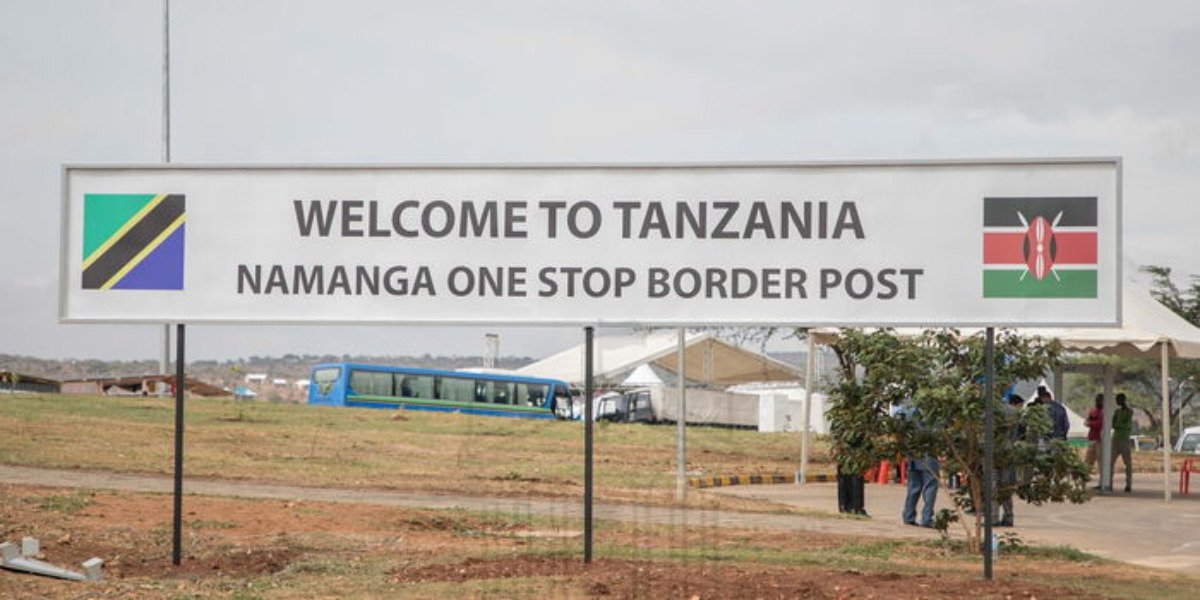
Kenya has announced a new strategy to strengthen border security, focusing on advanced surveillance, improved coordination among security agencies, and greater involvement of local communities.
Interior Principal Secretary Dr Raymond Omollo outlined the plan on 3 September, highlighting the need to modernise border control systems in response to ongoing irregular migration and security threats. The strategy includes the use of drones, biometric technology, and artificial intelligence to monitor and deter illegal crossings. It also proposes establishing interoperable platforms to enable real-time intelligence sharing between different security bodies.
Particular attention is being given to Kenya’s borders with Somalia and Ethiopia, which remain vulnerable due to past cross-border attacks and continued militant activity. Incidents such as the Dusit D2 hotel siege and the Garissa University attack have exposed weaknesses in border management and intelligence coordination.
While the National Intelligence Service and the Kenya Defence Forces continue to play key roles, Dr Omollo stresses the importance of a more proactive and collaborative approach. The plan is structured around four key pillars, including the expansion of security infrastructure and the recruitment and training of personnel to address evolving threats.
A central component is the engagement of border communities, whose location and cultural ties across national lines have sometimes complicated enforcement. The strategy seeks to involve these communities as active partners in security efforts, aiming to build trust and improve local cooperation.
Data from the International Organisation for Migration (IOM) underlines the scale of the challenge. In August 2024, Somali authorities recorded more than 23,000 migration movements, with over 1,600 individuals reportedly heading to Kenya. Ethiopian departures along the Southern Route, which includes informal crossings like Moyale, averaged around 1,100 per month between January and October 2024.






Comments
No comments yet — be the first.