
Kenya Launches Astro-Tourism Programme with Planetarium in Samburu
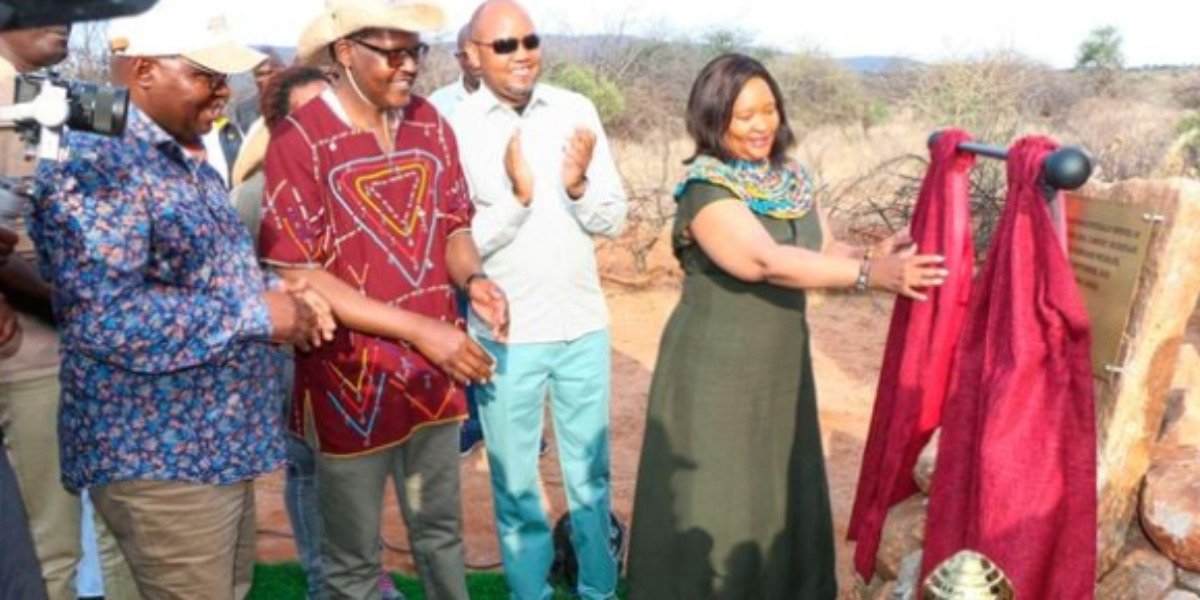
Kenya has launched a new astro-tourism programme in Samburu National Reserve, marked by the opening of a planetarium and a public lunar eclipse viewing event.
The launch event, held at Sopa Lodge, was led by Tourism Cabinet Secretary Rebecca Miano and featured the inauguration of a purpose-built planetarium designed to resemble a traditional manyatta. The structure aims to blend indigenous architectural styles with scientific functions, offering visitors an experience that combines astronomy with cultural heritage.
The facility will host guided stargazing sessions, astrophotography tours, and educational workshops. According to Ms Miano, the initiative is part of a broader strategy to diversify Kenya’s tourism sector by attracting astronomy enthusiasts, a niche market currently growing in countries like Chile and Namibia. “Astro-tourism is about space. We have just launched a planetarium that reflects nature, culture and modernity,” she said.
The event coincided with a total lunar eclipse, commonly referred to as a “blood moon,” which drew public interest across the country. Families gathered outdoors to view the phenomenon, while social media users shared photos and commentary in real time.
Kenya Wildlife Service Director Erastus Kanga noted that the eclipse had observable effects on wildlife behaviour. He explained that predators such as lions and hyenas tend to reduce hunting activity during bright moonlit nights, as prey animals are more alert due to better visibility. This reaction, referred to as “lunar phobia,” highlights the broader ecological impact of lunar events.
Kanga added that both lunar and solar phenomena can influence marine and terrestrial ecosystems, including feeding patterns and animal routines. The initiative also incorporates knowledge from the local Samburu community, including traditional understandings of celestial patterns and seasonal changes.
Officials say the model could be expanded to other regions, offering a framework for tourism that combines heritage, science, and environmental awareness.





Comments
No comments yet — be the first.