
Why IEBC Won’t Change Electoral Boundaries Ahead of 2027 Polls
Kenya’s Independent Electoral and Boundaries Commission (IEBC) has confirmed it will not complete the mandatory electoral boundary review before the 2027 General Election, citing legal, institutional, and logistical constraints.
Under Article 89 of the Constitution, electoral boundaries must be reviewed every eight to twelve years and completed at least one year before a general election. The last review was conducted in 2012, meaning the IEBC has already exceeded both the minimum and maximum constitutional timelines.
That review controversially retained 27 constituencies with lower-than-required populations, a decision widely seen as politically motivated rather than based on demographic data. Since then, Kenya’s population has grown significantly, raising the average number of residents per constituency.
Based on the 2019 census, at least 40 constituencies now fall below the required population threshold. If the current legal formula were applied strictly, these constituencies could be merged or abolished, an outcome that would face strong political resistance, especially from sitting Members of Parliament.
The boundary review has been delayed further by the absence of a functioning IEBC for over two years, following the exit of the previous commission in early 2023. Although a new commission was appointed in 2025, officials have stated that the standard review process, typically requiring two to three years, cannot be completed in time for the 2027 elections.
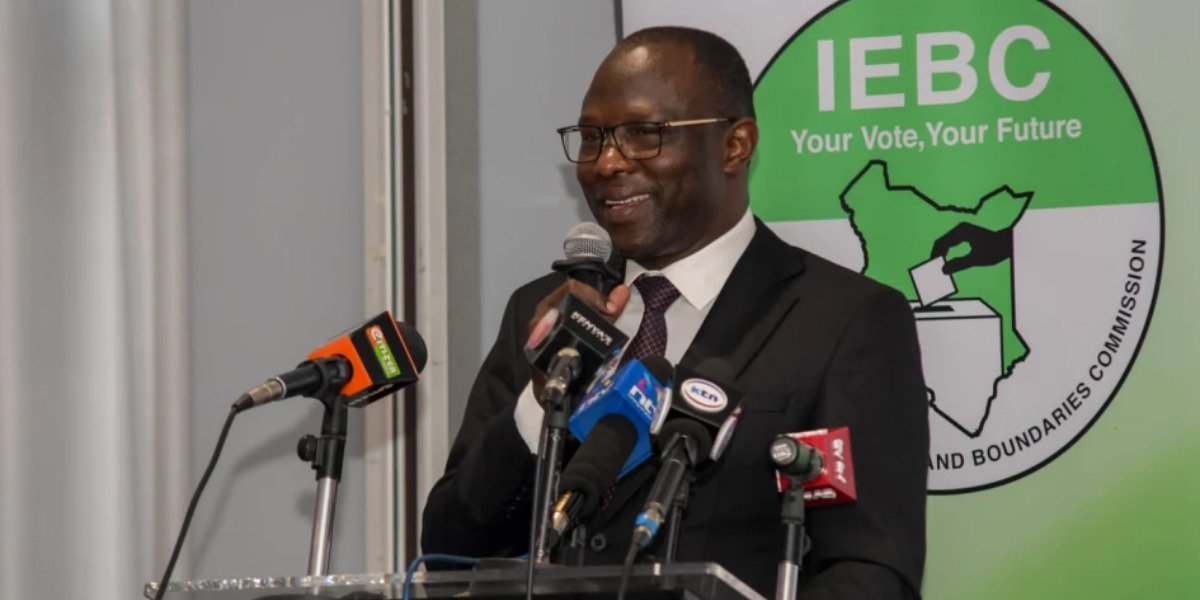
IEBC Chairperson Erastus Ethekon recently told Parliament’s Constitution Implementation Oversight Committee (CIOC) that the commission is facing a “constitutional crisis” and called for a constitutional amendment to extend the review period. He also pointed to legal uncertainty surrounding the commission’s mandate, noting that a Supreme Court case filed by the IEBC secretariat in July 2024 was dismissed due to procedural issues.
The court ruled that only a fully constituted commission could seek an advisory opinion, leaving the IEBC without judicial clarity. The CIOC has urged the commission to take independent action. Chairperson Caroli Omondi advised the IEBC to formulate its own proposals rather than rely on recommendations from external reports such as the National Dialogue Committee (Nadco), which suggested extending the review cycle to 10–12 years.
Omondi emphasised the importance of the commission maintaining its independence. Boundary reviews remain politically sensitive, as they could lead to the reduction or elimination of constituencies. Ahead of the 2022 elections, the IEBC, then under Wafula Chebukati, chose not to initiate the process, reportedly to avoid political backlash.
Former Ndaragwa MP Jeremiah Kioni has argued against eliminating constituencies and has instead proposed increasing their number, a solution that would require constitutional changes and parliamentary approval. Another major obstacle is the question of data reliability.
The Kenya National Bureau of Statistics has not confirmed whether the 2019 census can legally support a boundary review, while the 2009 census remains under a High Court ruling that declared it inaccurate. The delimitation process also requires extensive consultation, public participation, and technical assessment, taking into account population size, geography, and community interests.
The IEBC has acknowledged it is struggling to manage the boundary review alongside preparations for the 2027 election.





Comments
No comments yet — be the first.