
Six Lions Poisoned in Maasai Mara Days After World Tourism Day Celebrations
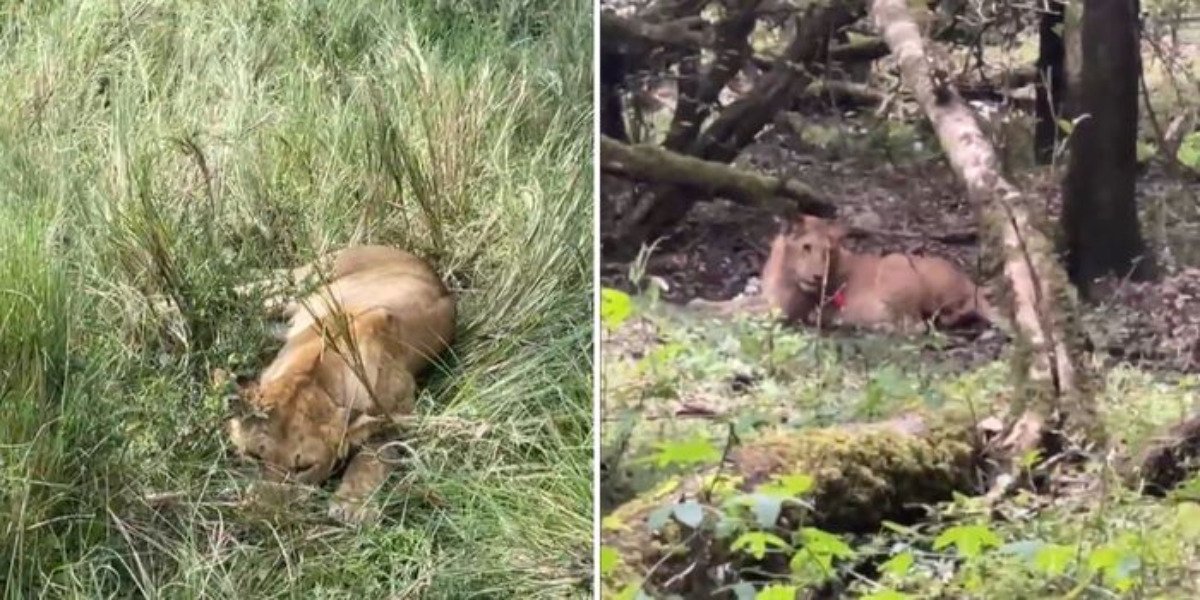
Six lions from the same pride in Kenya’s Oleisukut Conservancy, located within the Maasai Mara ecosystem, have been treated for suspected poisoning.
This is according to a statement released by the Kenya Wildlife Service (KWS) on Monday. The lions were found in a weakened and disoriented state, prompting the immediate deployment of veterinary teams. Emergency treatment was administered on-site before the animals were relocated to a secure facility for further monitoring.
KWS confirmed that four of the lions have since recovered fully, while the remaining two are still under close observation. The source of the poisoning has not yet been determined. However, KWS has launched a formal investigation and reaffirmed its commitment to protecting the country’s wildlife.
In its statement, the agency emphasised the importance of conserving Kenya’s natural heritage for future generations. This incident highlights ongoing challenges in managing human-wildlife interactions in protected areas, where conservation efforts are often impacted by local conflict or unintended harm.
The poisoning occurred shortly after World Tourism Day, which KWS marked by offering free entry to national parks. It also follows a separate incident in August during the annual wildebeest migration, when tourists were seen exiting their vehicles to photograph the herds, disrupting the animals’ movement and causing some to turn back into the Mara River.
Authorities from the Tourism Ministry and Narok County later addressed the matter, stating that the disruption lasted under a minute and that tourists had been directed to return to their vehicles. Officials denied that park rangers had failed in their duties, explaining that the vehicles were in a designated viewing zone where limited disembarkation is allowed under supervision.
While both events were addressed by authorities, they have underscored the delicate balance between tourism and conservation. Poisoning apex predators such as lions threatens not only local biodiversity but also the ecological stability and tourism value of the region.






Comments
No comments yet — be the first.