
Kenya's 3D-Printed Garden City Tackles Affordable Housing Crisis
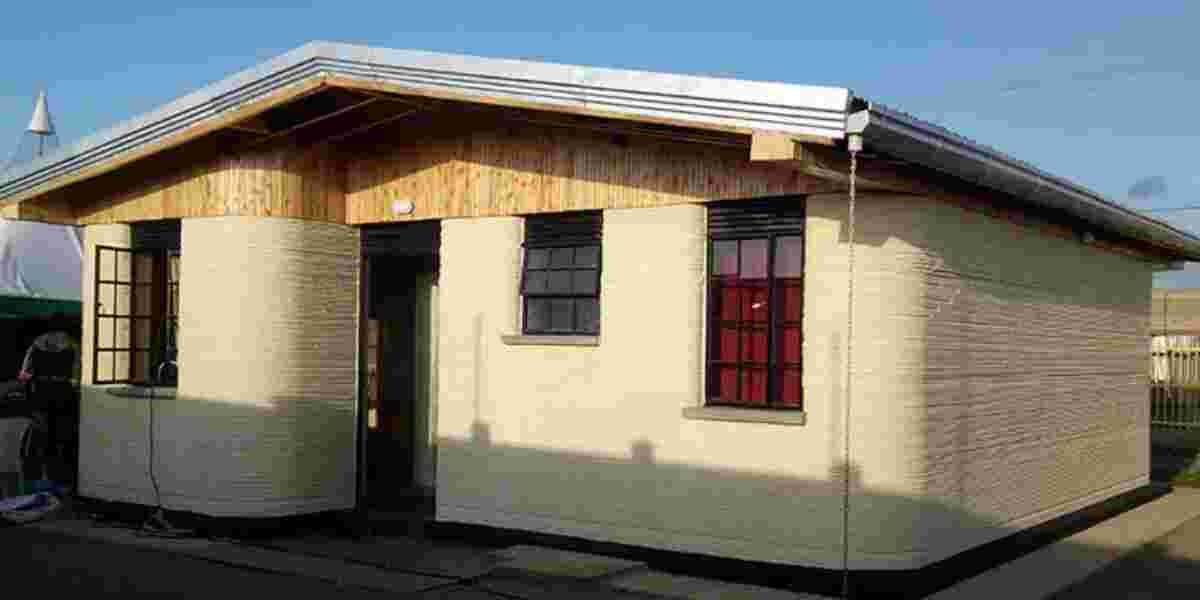
A novel project in Kenya is harnessing the potential of 3D printing technology to tackle the affordable housing challenge in Africa.
Mvule Gardens, situated in Kilifi County, represents the continent's first large-scale initiative of its kind. This groundbreaking venture, spearheaded by a Swiss construction firm, aims to create sustainable garden cities – a concept that echoes the urban planning ideals of 20th-century Britain and Europe. While the rapid pace of urbanization led to the decline of such garden cities, Mvule Gardens seeks to revive this approach, fostering a balanced blend of urban living and natural spaces.
While the initial design phase did not involve direct participation from Kilifi residents, future iterations will incorporate public input to ensure the homes cater to the needs and preferences of Kenyan occupants. Additionally, plans are underway to introduce financing options, making these houses accessible to a wider segment of the population. The environmental benefits of 3D-printed homes are particularly noteworthy with these dwellings projected to achieve significant reductions in energy consumption (42%), water usage (24%), and embodied energy (up to 69%).
These figures testify to the project's commitment to sustainability and resource efficiency. The promise of 3D-printed housing extends beyond Kenya's borders. Countries like China, Russia, Germany, and Mexico have also begun exploring this innovative technology. The affordability of these homes offers a potential blueprint for addressing the widespread housing crisis and promoting greater social equity. One of the most compelling aspects of 3D-printed construction is its remarkable speed. This technology allows for the creation of houses within a matter of days.
Furthermore, the resilient materials employed are capable of withstanding harsh climatic conditions, making them suitable for a variety of geographical contexts. Looking ahead, these 3D printers hold immense potential. They offer the prospect of providing affordable and decent housing to underprivileged communities, aiding the homeless population, and enabling rapid responses in the aftermath of environmental disasters.





Comments (1)
"public participation" that is how this project will die.