
Kenya's Innovative Approach to Solving Housing Scarcity
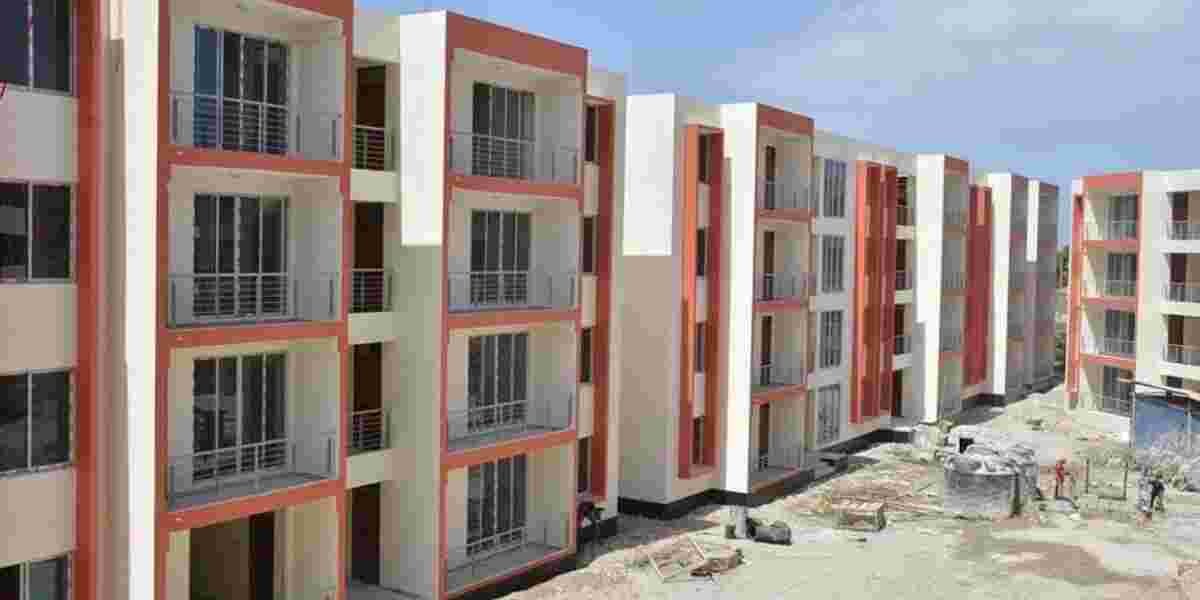
The Affordable Housing program in Kenya has emerged as a transformative initiative that brings considerable benefits to citizens across the nation.
Spearheaded by President William Ruto's Bottom Up Economic Transformation Agenda (BETA), this program aims to address the country's housing deficit by providing homes to those at the lower end of the economic spectrum. With an ambitious target of constructing 250,000 housing units annually, the initiative seeks to ensure that all Kenyans have access to safe, decent, and affordable housing. At the forefront of this endeavour is the Mukuru Housing Project in Nairobi, a flagship development that exemplifies the program's scope and impact.
Upon completion, this project will encompass over 100,000 housing units, with the initial phase set to welcome more than 13,000 tenants by late 2024 or early 2025. The Mukuru project represents a noteworthy effort towards eradicating informal settlements and elevating living conditions for thousands of residents. The Affordable Housing program extends beyond Mukuru, with numerous projects underway across Kenya. From Kibera and Shauri Moyo in Nairobi to developments in Bungoma, Meru, Uasin Gishu, Thika, Machakos, and Kwale, these initiatives collectively address the urban housing crisis that has long plagued the nation.
A 2017 World Bank report highlighted the severity of this issue, revealing that approximately 6.4 million Kenyans resided in slums, constituting about 56 per cent of the urban population. In Nairobi alone, an overwhelming 91 per cent of residents were tenants, unable to afford home ownership. The government has implemented crucial interventions to facilitate the construction of affordable housing. These measures include zero-rating the cost of land and infrastructure, offering multiple tax exemptions, and lowering financing costs. Such steps have significantly reduced the price of housing units, making them more accessible to a broader segment of the population.
The program also leverages Public-Private Partnerships (PPPs) to attract both domestic and foreign investment, further propelling the initiative forward. President William Ruto has been a vocal advocate for the Affordable Housing program, emphasizing the government's commitment to eradicating slums and providing decent housing for all citizens. During a recent event at State House, he boldly proclaimed, "In the next 15 years, we will have gotten rid of slums in Kenya. By God's grace, we will make sure that citizens have decent dwelling." This dedication from the highest office in the land has been instrumental in driving the program's success and maintaining its momentum.
The construction of these housing units has also generated employment opportunities and stimulated economic growth across various regions. Moreover, the program has played a crucial role in diminishing the prevalence of slums and informal settlements, fostering safer and more sustainable communities throughout the country.





Comments
No comments yet — be the first.