
Nairobi's Poor Risk Exclusion from Affordable Housing Program
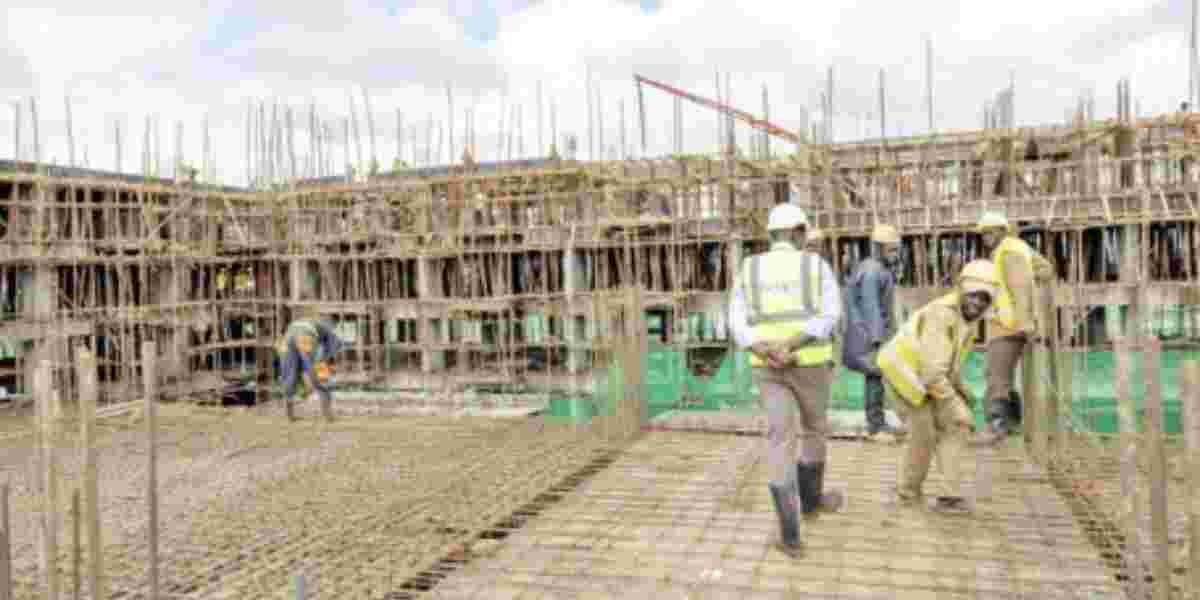
Recent findings from the Nairobi County Assembly’s Land Committee indicate a grim reality for the urban poor in Nairobi who aspire to find affordable housing.
The report reveals that private investors control the majority of housing units in key projects, undermining public ownership and access. The data highlights stark disparities in the Jevanjee and Pangani housing projects. In the Pangani development, out of 1,562 units, only 333 are county-owned, with the remainder under private developer control.
Similarly, the Jevanjee estate has seen private entities acquire a significant portion of available units, relegating public ownership to a mere fraction. Despite earlier commitments made by the Uhuru Kenyatta administration to improve slum conditions through affordable housing initiatives, recent developments raise concerns about the efficacy of these measures.
President William Ruto's government has intensified public investment by implementing a housing levy tax that obliges salaried Kenyans to contribute. Nevertheless, the current findings suggest that these initiatives may not effectively address the housing crisis.
The report also identifies multiple challenges delaying project completion, including the fluctuating value of the Kenyan shilling, repercussions from the Covid-19 pandemic, political instability, and the impacts of the Ukraine conflict. As a case in point, the Jevanjee estate is currently only 46% complete, with an anticipated completion pushed back to September 2026.
“With regards to the current status of the project and the expected date of completion as per the contract, the committee was informed that the Jevanjee estate is at 46 per cent completion and it is expected that project is completed by September 2026,” it reads.
Additionally, complications surrounding land title deeds have surfaced, further complicating matters. While the title for the Jevanjee land has been traced to a special purpose vehicle, access to the title deed for the Pangani development remains unresolved, highlighting persistent administrative hurdles.





Comments
No comments yet — be the first.