
How Kenyan Tenants Can Sue Landlords for Sh200,000 Over Illegal Utility Cuts
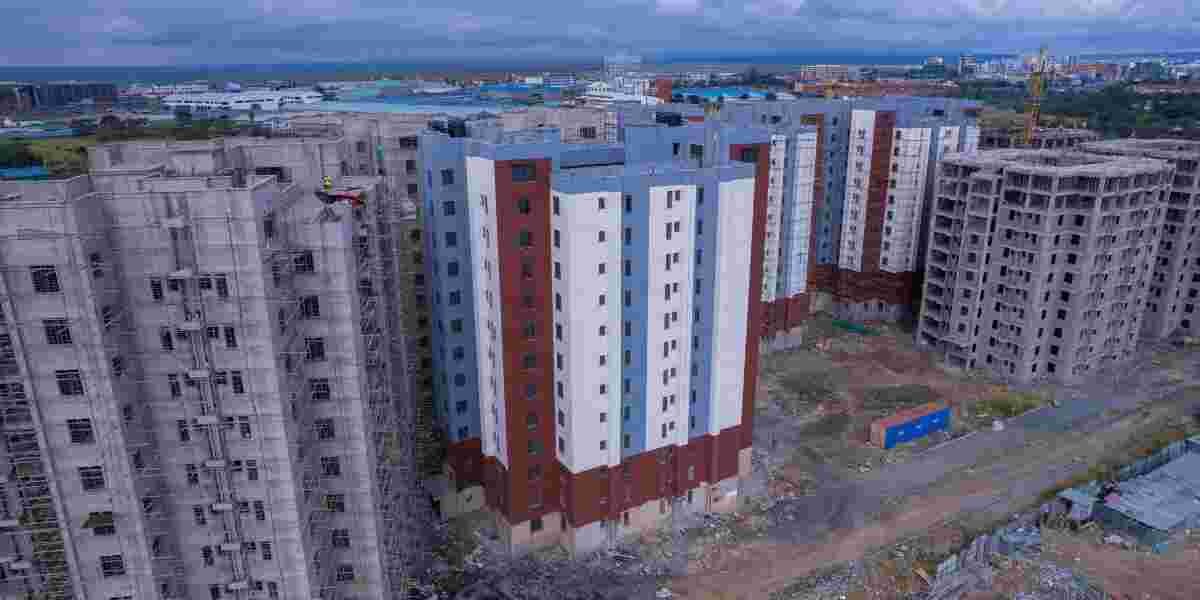
As many Kenyans face the burden of rent payments in January, conflicts with landlords often arise, leading to adverse actions such as unlawful evictions, door lockouts, and utility disconnections.
These measures not only disrupt tenants' lives but also violate established legal protections afforded to renters under Kenyan law. A pertinent example is the 2021 case of Joseph Njoroge v. Peter Karanja, where the court awarded a tenant Sh200,000 after an unlawful eviction coupled with the disconnection of essential services such as water and electricity.
This case highlights the protections outlined in the Landlord and Tenant Act, which explicitly prohibits harassment and mandates landlords to ensure continuous utility services, unless alternative arrangements have been legally agreed upon. According to Section 12 of the Landlord and Tenant (Shops, Hotels, and Catering Establishments) Act, landlords are obligated to maintain constant utility services.
Any attempt to disconnect these services without following proper legal procedures constitutes harassment and opens landlords to potential legal actions from affected tenants. Tenants facing utility disconnections due to rent disputes can seek recourse through the Rent Restriction Tribunal or the Environment and Land Court.
The Rent Restriction Tribunal handles cases involving rental units with monthly rents not exceeding Sh2,500, while the Environment and Land Court addresses disputes involving higher rents, focusing on issues such as wrongful evictions and unauthorized utility disconnections. For tenants, the first course of action is to issue a demand letter to the landlord, outlining the illegal nature of the utility disconnection and requesting the immediate restoration of services.
Should the landlord not comply, tenants may file a formal complaint with the relevant tribunal or court, where they can also seek compensation for damages incurred as a result of the disconnection. In addition, tenants can approach local water and electricity utility companies for assistance. However, this route can be challenging if the landlord maintains the primary legal relationship with these service providers.
Compensation awarded in these cases typically ranges from Sh50,000 to Sh200,000, depending on the extent of stress and inconvenience caused by the landlord’s actions.






Comments (2)
Suck my Dick 👍🏾
Misleading tale.Tell them the action to take if disconnection is done by KPLC for that particular tenant’s meter or local water supply company.I witnessed a neighbor’s case where both had been disconnected for non-payment.The landlord agreed to pay the shs 30000 demanded by both companies on condition that the tenant vacates his house.