
US to Replace H-1B Visa Lottery With Wage-Based Selection Starting 2027
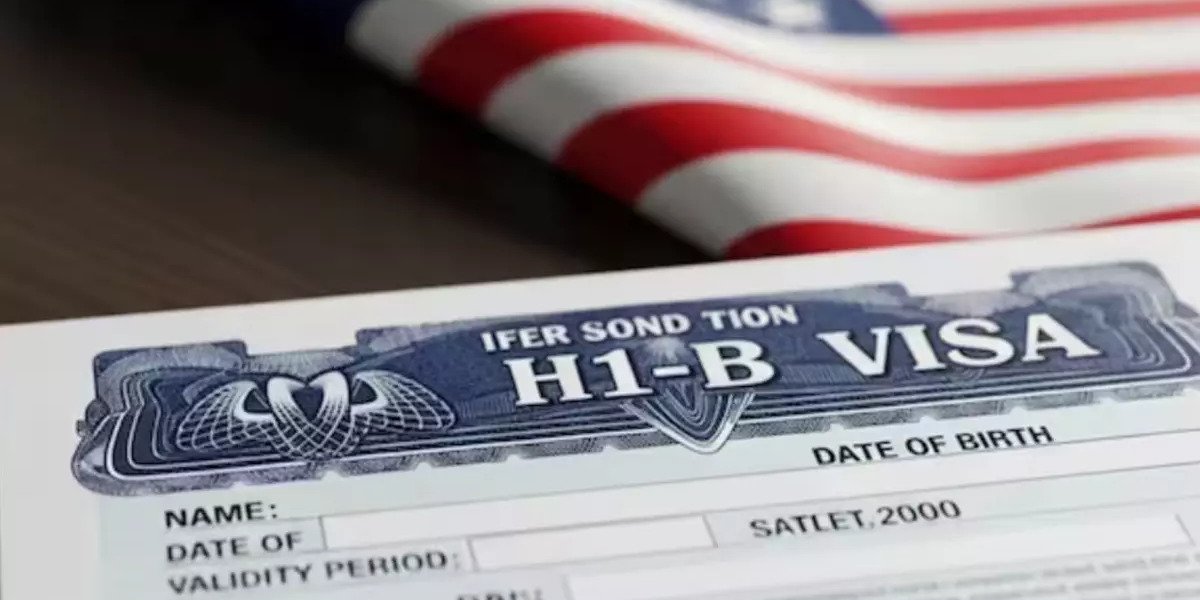
The United States will change how it allocates H-1B visas for the 2027 fiscal year, replacing the long-standing random lottery with a wage-weighted selection system run by US Citizenship and Immigration Services (USCIS).
The H-1B programme allows foreign professionals to work in speciality occupations in the United States. Each year, 65,000 visas are available under the standard cap, with an additional 20,000 reserved for applicants who hold advanced degrees from US universities.
Demand has consistently exceeded the number of visas available, and USCIS has previously relied on a random lottery to select applicants. Under the revised process, selection chances will depend on the wage level offered for the job. Positions classified at the highest Department of Labour wage tier will receive four entries in the selection pool, while those at the lowest tier will receive one.
The system is intended to give priority to higher-paid roles that reflect stronger labour market demand. Employers must still complete an electronic registration before submitting full petitions. For the 2027 fiscal year, the registration window runs from 4 to 19 March 2026. Each submission carries a fee of $215, and USCIS now requires organisations to use dedicated accounts that allow employers and legal representatives to work together within the system.
USCIS expects to notify selected applicants by the end of March. Employers whose registrations are chosen will have 90 days, from 1 April to 30 June, to file full petitions. Approved visas will take effect from 1 October 2026.
A further change introduces a $100,000 surcharge for certain petitions. Announced by presidential proclamation in September 2025, the fee applies to applicants filing from outside the United States. Extensions of existing visas and petitions that are exempt from the annual cap are not subject to the charge.
Other elements of the programme remain unchanged.
The beneficiary-centric system continues to apply, meaning each applicant is entered into the selection process only once, even if multiple employers submit registrations on their behalf. USCIS may also conduct additional selection rounds if the number of approved petitions falls below the annual cap.
Universities and research institutions remain exempt from the cap, allowing them to continue recruiting international researchers and academics.






Comments
No comments yet — be the first.