
Laid-off H-1B Workers Face Rising Risk as USCIS Scrutinises B-1/B-2 Status Changes
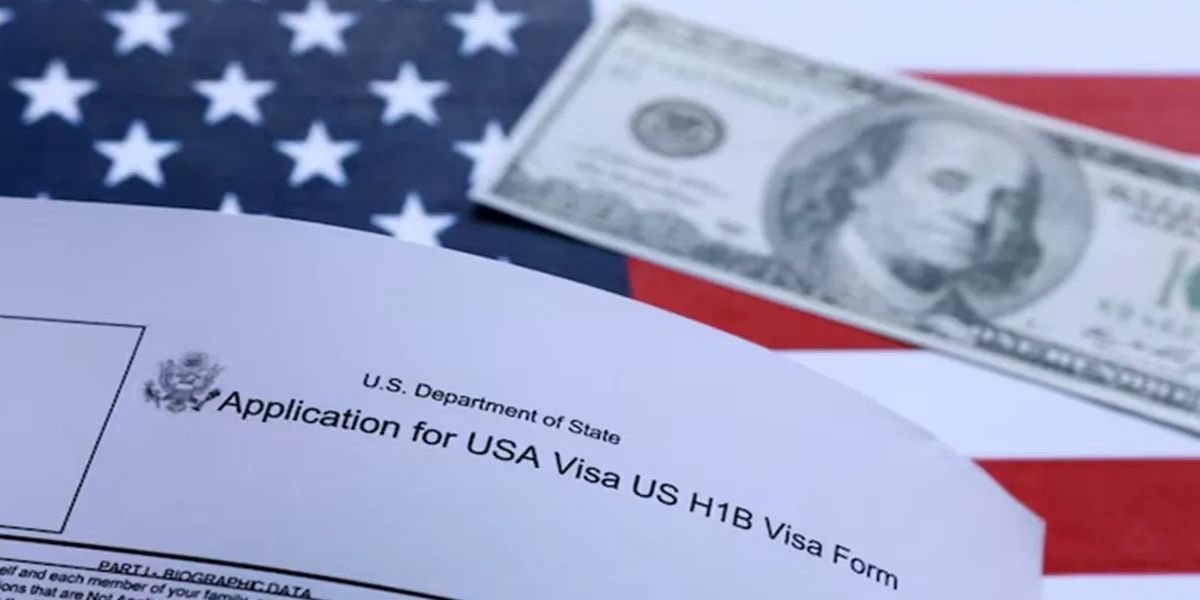
Laid-off foreign workers in the United States are encountering stricter scrutiny when applying to switch from H-1B visas to visitor status, a route once used to extend their lawful stay.
Foreign nationals on H-1B visas are granted a 60-day grace period after losing their jobs to find new employment or leave the country. During this time, many have applied to change their status to a B-1 or B-2 visitor visa by filing Form I-539. This approach allowed them to remain in the country temporarily while seeking new work, although it does not permit employment.
Immigration lawyers report that such applications are now being examined more closely. Authorities are issuing more Requests for Evidence (RFEs) and Notices of Intent to Deny (NOIDs). The main concern is that applicants may be misrepresenting their intentions by requesting visitor status while planning to return to work. This reflects the application of the “preconceived intent” principle, which is used to prevent misuse of temporary visitor visas.
Legal experts note that while a change of status is permitted under the law, applicants must clearly demonstrate that their stay is temporary. Any indication that the visitor visa is being used to continue a job search may be treated as misrepresentation.
Sonam Chanwani of KS Legal & Associates states that although the process is legally allowed, it should not be relied on as a way to remain in the country for employment purposes. She emphasises that unclear or conflicting intentions can affect both current and future immigration applications.
RFEs typically request further documentation, while NOIDs indicate that a refusal is likely unless the applicant provides strong evidence. Immigration attorneys warn that weak explanations or gaps in lawful status after the grace period increase the risk of denial. Dmitry Litvinov of Dreem notes that a strategy once viewed as standard practice is now being treated as a possible misuse of the system.






Comments
No comments yet — be the first.