
Trump Administration Targets Hundreds of Foreign-Born Americans for Citizenship Revocation
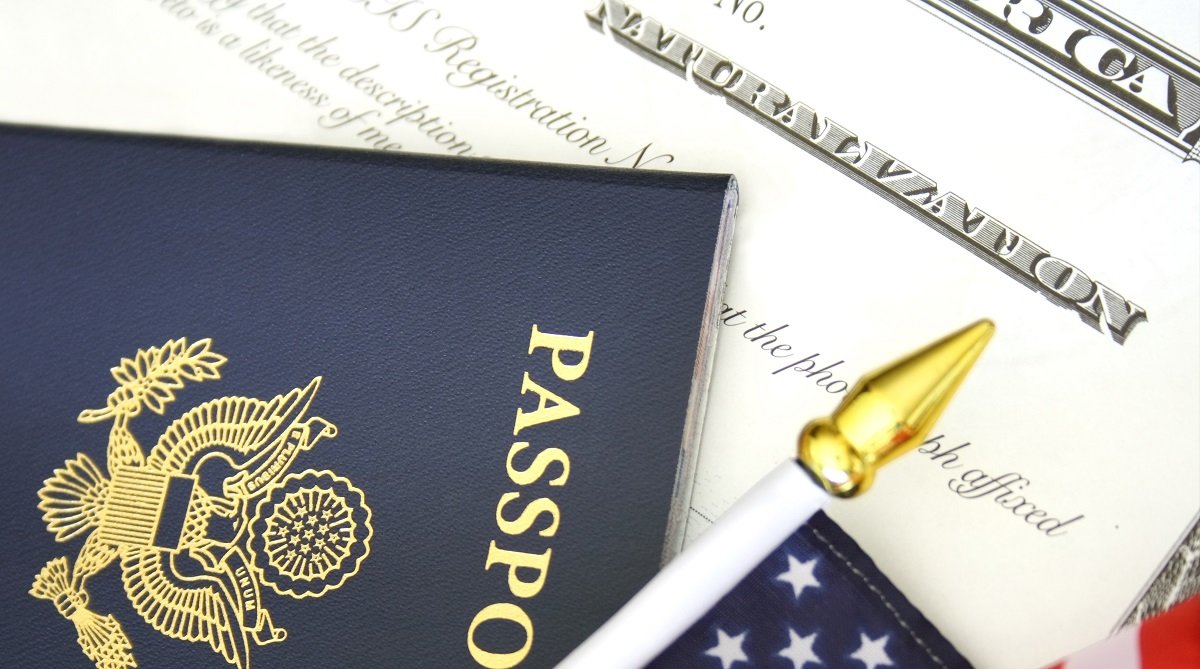
The United States Department of Justice (DOJ) is actively pursuing denaturalization cases against hundreds of foreign-born Americans, as part of a continued effort to address alleged fraudulent activities within the naturalization process. According to sources familiar with the investigations, the Trump administration had previously initiated measures to ramp up the revocation of citizenship for individuals suspected of defrauding the naturalization process.
A DOJ official, who spoke to NBC News, confirmed that the number of individuals targeted is in the hundreds. This effort is described as the highest volume of denaturalization referrals in U.S. history. The Justice Department, under the leadership of President Donald Trump and Acting Attorney General Todd Blanche, has emphasized the importance of holding those who allegedly commit fraud accountable.
The U.S. Citizenship and Immigration Services (USCIS), part of the Department of Homeland Security, has been tasked with identifying potential cases of fraud. They have reassigned staff and sent experts to various offices across the country to compile lists of potential cases. The goal set for USCIS was to provide the Justice Department with between 100 and 200 potential cases each month for prosecution.
Federal prosecutors in field offices nationwide are involved in these efforts. A DOJ spokesperson stated that the department is "laser-focused on rooting out criminal aliens defrauding the naturalization process." The spokesperson added that the aim is to move swiftly to ensure that any fraudsters are prosecuted to the fullest extent possible.
Denaturalization, the process of revoking citizenship, has traditionally been a rare occurrence in the United States. Typically, it has been reserved for cases involving serious criminal activity or fraud related to the naturalization process. The current efforts represent a significant increase in the volume of cases being pursued.
Critics of the denaturalization push argue that the move could create fear and uncertainty among naturalized citizens, potentially deterring lawful immigrants from pursuing citizenship. They also express concerns about the potential for errors or overreach in the identification of cases.
The increase in denaturalization cases began during the Trump administration, which implemented policies aimed at tightening immigration controls and enforcing strict immigration laws. The administration's focus on denaturalization was part of a broader strategy to address what it labeled as "immigration fraud" and to ensure the integrity of the naturalization process.
The Justice Department's denaturalization efforts form part of a larger immigration policy landscape that has seen numerous changes over recent years. These policies have been subject to legal challenges and public debate, reflecting the complexities and sensitivities surrounding immigration law and enforcement in the United States.
As the DOJ continues its work, the outcome of these cases could have significant implications for those involved, potentially resulting in the loss of citizenship and associated rights. The issue remains a contentious topic in the broader discussion of immigration policy and enforcement in the United States.






Comments
No comments yet — be the first.