
ILO Warns Migrant Women Remain Exposed as Labour Demand Outpaces Legal Migration Routes
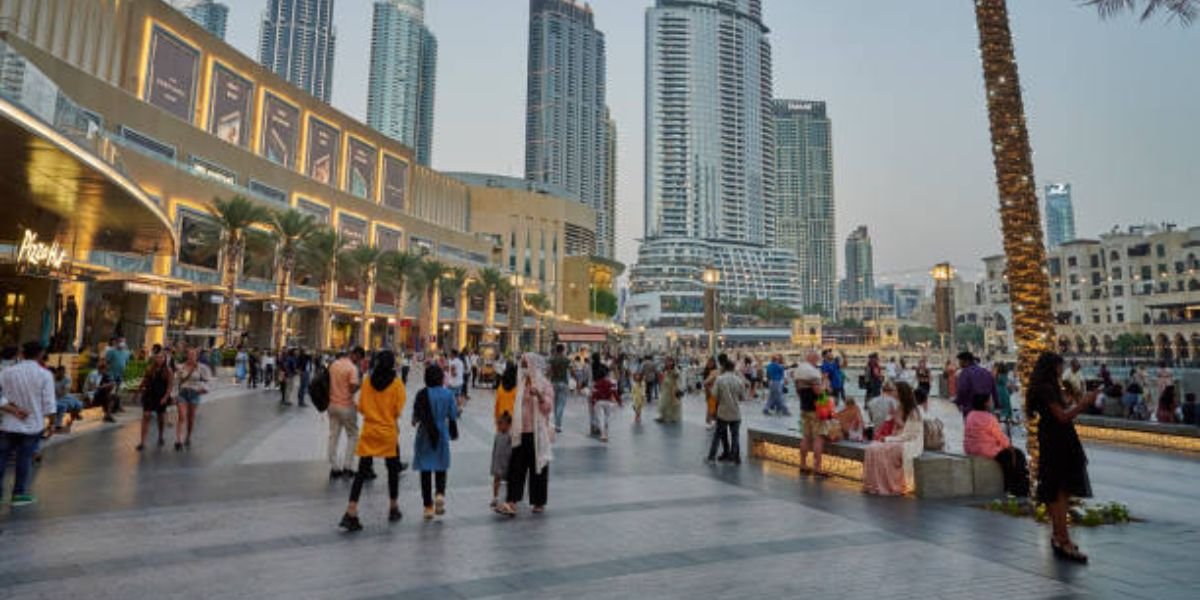
Women migrating for work in legal but socially marginalised industries often face immigration barriers that leave them dependent on informal recruitment networks and vulnerable to exploitation.
Global migration debates usually focus on recognised pathways such as skilled employment, education, and work in sectors including construction, care, and hospitality. Less attention is given to women from Africa, Asia, and Latin America who migrate to work in legal industries linked to adult entertainment and other sexualised services.
In many destination countries, these industries operate under regulated systems and contribute to tax income and tourism. However, immigration policies rarely provide lawful entry routes for workers seeking jobs in these sectors. Visa systems generally favour skilled workers, formal employment contracts, or students, creating a gap between labour demand and legal migration options.
For many women from low-income regions, migration is driven by economic necessity. Earnings abroad are often used to support families, repay debts, or pay for relatives’ education. Because safe migration channels are limited, many women depend on brokers or recruitment agencies to secure work overseas. Some agencies operate legally, while others provide misleading information about pay or working conditions, increasing the risk of exploitation.
After arriving in destination countries, migrant women often face additional difficulties. Language barriers, restrictions linked to visa conditions, and limited recognition of qualifications can leave them confined to a narrow range of jobs.
Immigration enforcement also creates risks. Women who overstay tourist visas or work outside authorised categories may face detention or deportation. In many cases, deportation is based on immigration offences rather than the work itself.
International organisations have introduced measures aimed at reducing these risks. Guidance from the International Organization for Migration and the United Nations Office on Drugs and Crime states that authorities should assess whether trafficking or coercion is involved before carrying out deportations. Where exploitation is identified, protection measures may be used instead of punishment.
The International Labour Organization has also warned that governments benefit economically from legal but stigmatised industries while migrant workers remain excluded from full labour protections. Policy specialists argue that the lack of legal migration pathways increases vulnerability by pushing workers into informal systems with limited oversight.
Some experts support the creation of regulated migration channels for sensitive industries, including enforceable contracts and tighter controls on recruitment agencies. Others argue that such measures would be difficult to monitor and could create social and cultural tensions.
Many international responses now focus on compromise measures. These include improving labour protections across all sectors, regulating recruitment practices, and separating complaints about abuse from immigration enforcement. Authorities are also strengthening systems designed to identify trafficking victims so they are not treated as immigration offenders.
The wider story of migration from Africa and other poorer regions includes professionals, students, traders, and care workers, as well as women employed in industries that remain socially controversial despite being legal.






Comments
No comments yet — be the first.