
Viral Squeaky Frog Faces Extinction Threat Amid Global Conservation Concerns
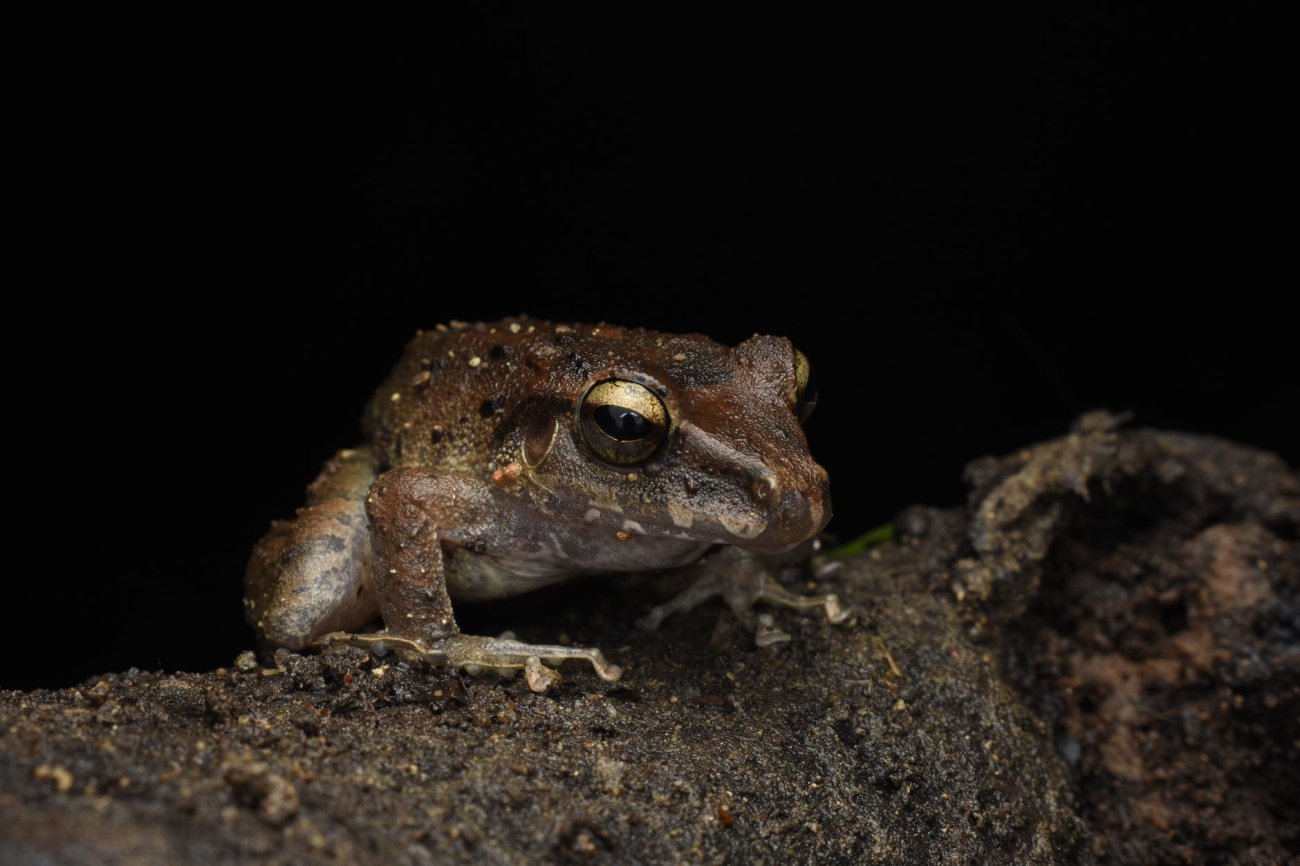
The viral squeaky frog, which captured the hearts of internet users worldwide, has now been listed among species at risk of extinction, highlighting the ongoing global biodiversity crisis. The amphibian, known for its distinctive high-pitched call, has seen its population dwindle due to deforestation, climate change, and human encroachment on its natural habitats. This inclusion in the International Union for Conservation of Nature (IUCN) Red List has sparked widespread concern among environmentalists and conservationists, who emphasize the urgent need for protective measures.
The IUCN Red List, which is considered the world's most comprehensive inventory of the global conservation status of biological species, has seen an alarming increase in threatened species. According to the latest statistics, over 41,000 species are now classified as threatened with extinction. "The situation has reached a critical point where immediate actions are necessary to prevent further loss of biodiversity," stated Grethel Aguilar, IUCN Acting Director General, during a press conference. Aguilar stressed that the preservation of such unique species is crucial for maintaining ecological balance and supporting the overall health of ecosystems.
Internet fame has not spared the squeaky frog from the harsh realities facing many amphibian species. Its decline is symptomatic of broader environmental challenges impacting habitats globally, particularly in developing regions. Conservation experts argue that efforts must be intensified to protect these vulnerable species, not just for their intrinsic value but also for their ecological roles. "Every species plays a part in its ecosystem, and losing even one can have cascading effects," explained Dr. Jane Smart, Director of the IUCN Biodiversity Conservation Group, in a statement earlier this year.
The plight of the squeaky frog reflects a larger trend affecting amphibians worldwide, with climate change posing a significant threat. Rising temperatures and changing weather patterns have altered habitat conditions, making survival increasingly difficult for many species. Additionally, deforestation and land conversion for agriculture continue to reduce the natural habitats that these creatures depend on. The latest findings by the United Nations Environment Programme underscore the importance of integrating climate adaptation strategies into conservation plans to mitigate these impacts.
In response to the squeaky frog’s endangered status, several international conservation organizations are calling for collaborative efforts to safeguard remaining populations. Conservation programs are urged to focus on habitat restoration, increased legal protections, and public awareness campaigns to reduce human impacts. As part of global conservation initiatives, regions in Africa and other developing nations are likely to play a pivotal role, given their rich biodiversity and the pressures they face from economic development.
Without decisive action, the future of the squeaky frog and countless other species remains uncertain. As attention grows, the conservation community hopes that the squeaky frog's fame can be leveraged to galvanize public support and funding for wildlife protection efforts. The next steps will involve coordinated international actions and policy developments aimed at reversing the current trend of biodiversity loss.






Comments
No comments yet — be the first.