
Canadian Wildfire Smoke Engulfs U.S., Raises Concerns for World Cup Final
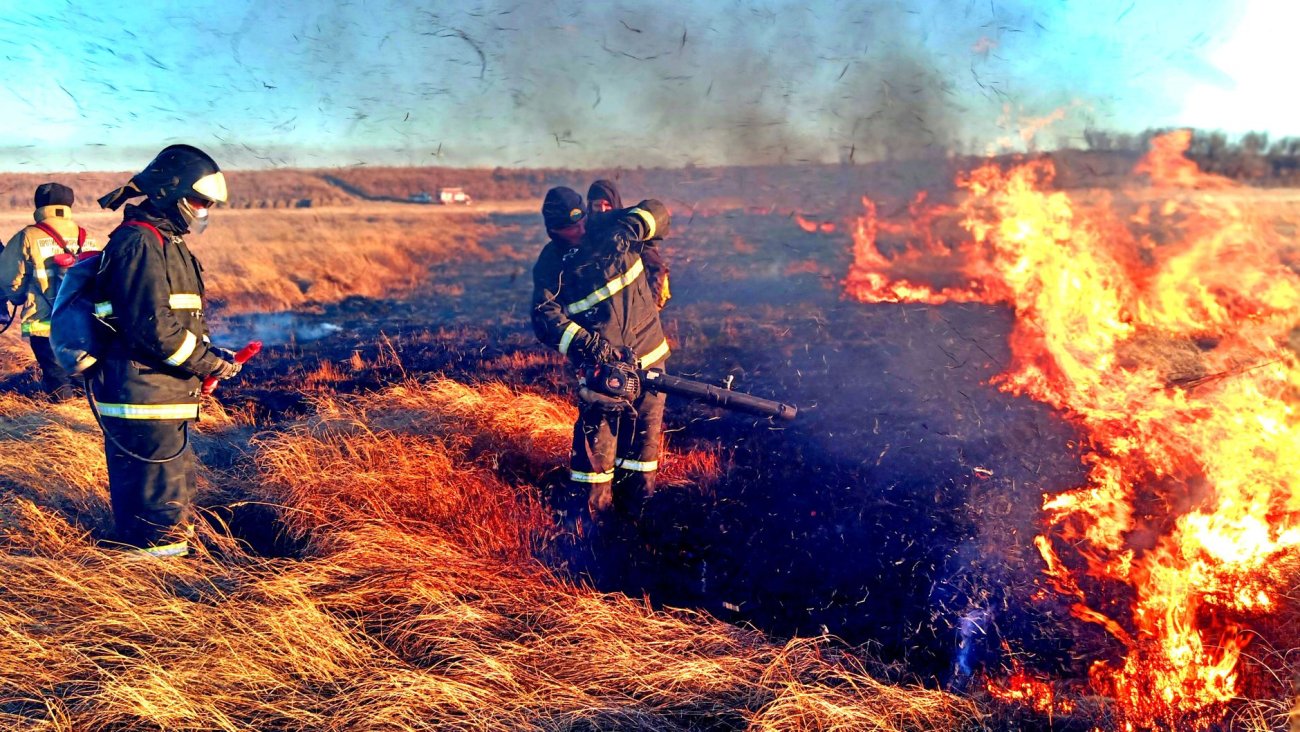
Plumes of smoke originating from intense wildfires in Canada have descended upon major cities across the United States, creating a significant environmental and public health challenge. This development comes just days ahead of the World Cup final, scheduled to take place in New York City, sparking concerns over air quality and potential impacts on the event. The National Oceanic and Atmospheric Administration (NOAA) reported that the smoke has caused air quality index (AQI) readings to reach levels deemed unhealthy for sensitive groups in areas such as New York, Washington D.C., and Boston.
Canadian Prime Minister Mark Carney, addressing the situation, emphasized the scale of the wildfires, noting that over 10 million hectares of land have burned since the beginning of the wildfire season. "This is not just a Canadian problem; it has become an international concern," Carney stated, highlighting the cross-border effects of the fires. Efforts to contain the fires are ongoing, with more than 7,000 firefighters, including international reinforcements, deployed across the affected regions.
The implications of the smoke are particularly acute for the upcoming World Cup final. Organizers have expressed concern over the potential impact on athletes and spectators. The U.S. Environmental Protection Agency (EPA) has issued advisories recommending that vulnerable individuals, including children and the elderly, limit outdoor activities. Dr. Michael Regan, EPA Administrator, remarked, "We are closely monitoring the situation and will continue to provide guidance to ensure public safety during the event."
The situation has also prompted discussions about the need for enhanced cross-border collaboration in addressing climate-related challenges. U.S. Secretary of State Marco Rubio underscored the importance of joint efforts, stating, "These fires are a reminder of the interconnected challenges we face. It is imperative that we work together to mitigate the impact of climate change and strengthen our resilience."
The smoke's reach has extended beyond the immediate vicinity, raising concerns across the Atlantic, with potential implications for air travel and health advisories being considered in Europe. The situation is a stark reminder of the global nature of environmental issues, which can have ripple effects far from their origin. For developing nations, the situation highlights the need for robust strategies to manage similar events, as climate change continues to exacerbate extreme weather conditions.
As the World Cup final approaches, authorities are closely monitoring air quality data and are prepared to implement contingency plans if necessary. The collaboration between Canadian and U.S. agencies serves as a model for international cooperation in the face of environmental challenges, emphasizing the importance of preparedness and swift action in safeguarding public health and safety.






Comments
No comments yet — be the first.