
Behind Bars in Saudi Arabia: The Stories of Kenyans on Death Row
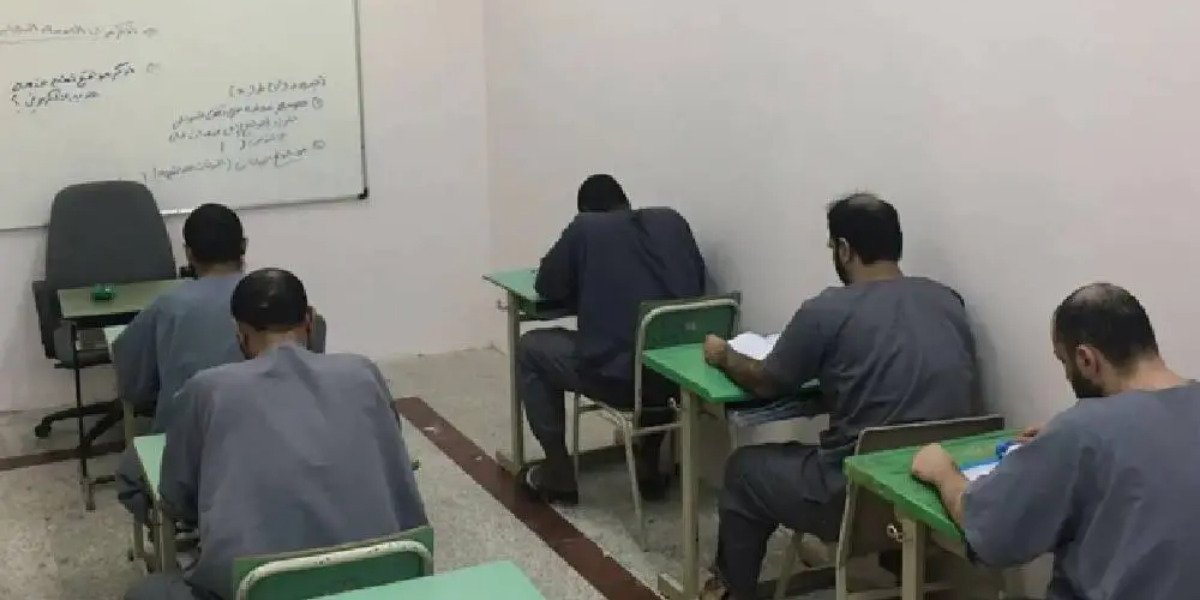
The case of Kenyan national Stephen Munyakho, who spent more than a decade in prison in Saudi Arabia before securing his release through a blood money settlement, highlights the severe penalties that foreign nationals can face under the kingdom's legal system.
Saudi Arabia is a major destination for Kenyan migrant workers, with thousands travelling there each year for jobs in domestic service, construction, hospitality and healthcare. While many earn an income to support their families, others become involved in legal disputes that expose them to one of the world's strictest criminal justice systems.
The kingdom applies capital punishment for offences including murder, terrorism and drug trafficking. Other crimes can result in long prison sentences, corporal punishment or deportation. Foreign nationals are required to comply fully with Saudi law, and criminal or administrative offences can carry severe consequences.
Stephen Munyakho, also known as Abdulkareem Munyakho, was imprisoned after a workplace confrontation in 2011 in which a Yemeni colleague died. He was initially charged with manslaughter, but the case was later reclassified as murder, leading to a death sentence.
Under Saudi Arabia's Islamic legal system, the victim's family later agreed to accept diya, or blood money, instead of execution. Following years of negotiations involving Kenyan officials, religious leaders, humanitarian organisations and the Muslim World League, compensation of about US$1 million was secured. Munyakho was released after spending more than 10 years in prison.
However, Munyakho's case is not an isolated one. Kenya's Ministry of Foreign and Diaspora Affairs says many Kenyan nationals remain in Saudi prisons after being convicted of offences including violent crime, drug trafficking, theft, fraud and immigration violations. Drug-related offences carry some of the harshest penalties in Saudi Arabia. Human rights organisations have reported that foreign nationals make up a significant share of those sentenced to death for narcotics offences.
The kingdom's strict approach leaves little scope for reduced penalties.
Many Kenyans also face legal difficulties under the kafala sponsorship system, which regulates migrant labour. Disputes with employers, allegations of absconding or breaches of immigration rules can lead to detention while deportation procedures are completed. Although these cases rarely result in capital punishment, administrative processes can keep workers in custody for long periods.
Kenyan diplomats continue to provide consular assistance to citizens in Saudi Arabia. Their work includes visiting prisoners, helping families maintain contact, arranging legal referrals and engaging with Saudi authorities. In cases involving death sentences, officials have sought delays to allow time for appeals or settlement negotiations.
Human rights groups say many foreign defendants face additional challenges during investigations and court proceedings. These include language barriers, limited access to legal representation and inadequate interpretation services.
The Kenyan government has increased efforts to prepare citizens seeking employment abroad. Pre-departure training now stresses the importance of obeying local laws, protecting travel documents, avoiding involvement in drug trafficking and staying in contact with Kenyan diplomatic missions.






Comments
No comments yet — be the first.