
Barbara Chepkoech's Journey from Waridi Actress to Diaspora Advocate
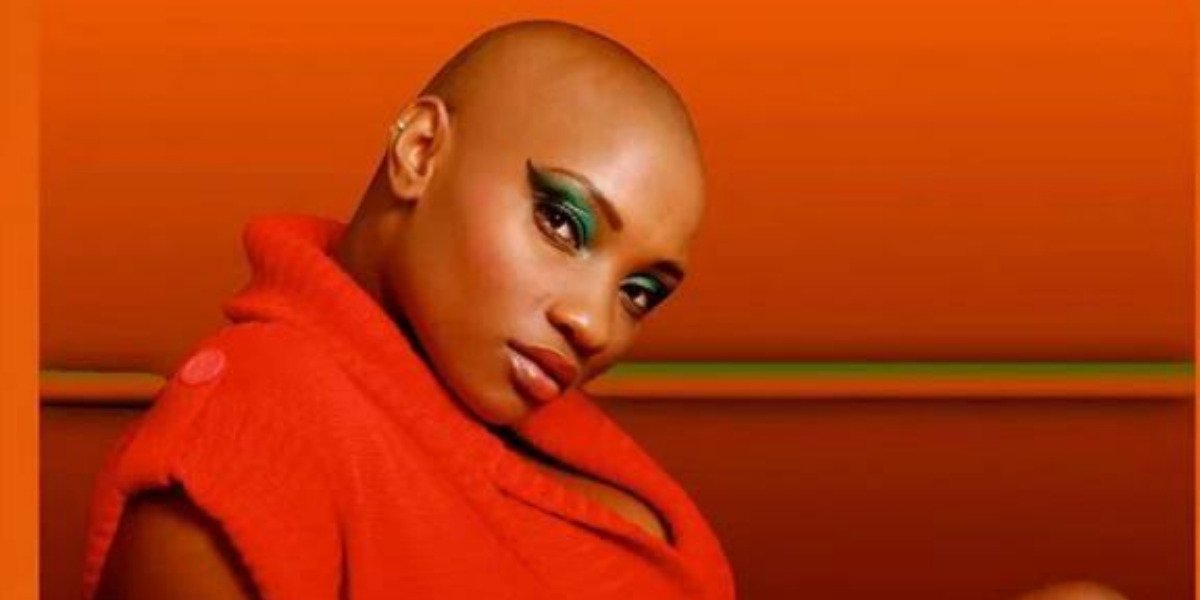
Barbara Chepkoech built a successful career in Kenyan television before expanding into music, community advocacy and faith-based work, while continuing to engage audiences in Kenya and the United States.
Barbara Chepkoech first became widely known for her lead role as Waridi in the television drama Waridi. The series introduced her as a determined character whose story connected with viewers across Kenya. She later joined the original cast of Tahidi High, one of the country's longest-running television dramas, strengthening her position as one of the leading figures in Kenya's entertainment industry.
Through these productions, she helped shape local television and inspired many aspiring actors. She later broadened her career by moving into music. Her debut album, Tilenyun, combined Afro-fusion with her Kalenjin heritage, featuring songs performed in her native language.
Tracks including Josi Josi highlighted her musical range, while Mekwane addressed domestic abuse. By tackling social issues through her music, she established herself as an artist with a clear social message as well as a performer. During the 2010s, Barbara relocated to Des Moines, Iowa, where she balanced family life with corporate employment and media consulting.
She remained active in the creative sector by performing at cultural festivals and church events, maintaining strong links with the Kenyan diaspora and engaging audiences through digital platforms. In 2022, she launched Threesome, an initiative that provides women with a space to discuss motherhood, health and wellbeing.
The project reflected her growing focus on community advocacy and women's empowerment. Her more recent music has centred on her Christian faith and personal experiences, with themes of gratitude, healing and resilience. This marked her transition towards gospel and inspirational music, with songs intended to encourage people facing personal challenges.
In October 2025, Barbara experienced a personal tragedy when her nine-year-old son, Blade Prince Adams, died suddenly in Iowa. The loss was shared publicly through Kenyan diaspora networks and became a significant moment in her life. She has since spoken through her work about relying on faith and resilience while continuing her efforts to support and encourage others.
Barbara continues to balance family life, digital content creation and community advocacy while remaining well known to audiences in Kenya. Her career has evolved from television acting to music, cultural promotion, gospel ministry and social leadership, demonstrating how she has adapted her work while maintaining strong connections to her roots.






Comments
No comments yet — be the first.