
Diaspora Trailblazer: How Dr Kakenya Ntaiya Is Changing the Future for Maasai Girls
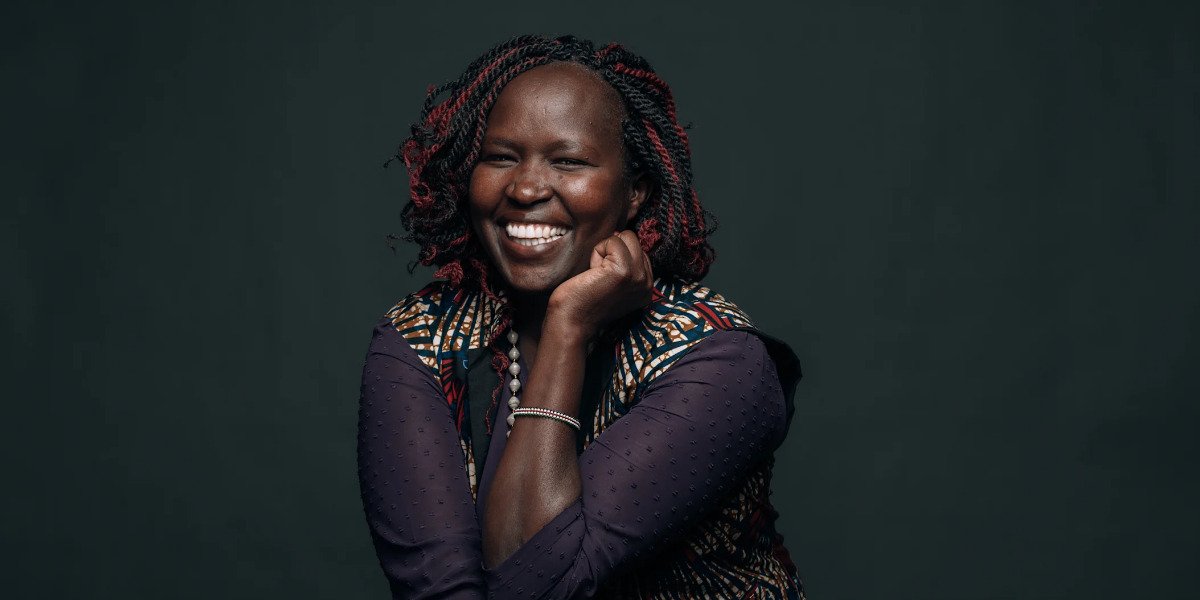
Dr Kakenya Ntaiya continues to expand education and empowerment programmes for Maasai girls in Kenya while leading her organisation from Oregon in the United States.
When Dr Ntaiya left her rural home in Enoosaen, Narok County, to pursue higher education in the United States, she made a promise to return and use her education to improve the lives of Maasai girls. That commitment has shaped her career and established her as an internationally recognised educator, women’s rights advocate and social entrepreneur.
Her work focuses on increasing access to education for girls and challenging harmful practices such as female genital mutilation (FGM) and child marriage. Her experience shows how education can create opportunities for individuals while contributing to wider social change.
Kenya has made significant progress in reducing FGM through public awareness campaigns, community engagement and stronger enforcement of the law. However, campaigners say the practice continues in secret. In some cases, it is carried out across borders or in medical facilities, where health professionals perform the procedure. This growing trend of medicalisation presents new challenges for authorities and campaigners.
Another challenge is the increasing number of adult women undergoing FGM. Most campaigns have focused on protecting girls, but many married women still face pressure to conform to cultural expectations. In some pastoralist communities, women who have not undergone FGM are excluded from ceremonies and prevented from taking part in cultural events.
The pressure often increases when their sons are initiated, as uncut mothers may be excluded from the ceremonies and their husbands may face ridicule. Some women choose to undergo FGM later in life to avoid social rejection.
Kenya has one of the strongest legal frameworks against FGM in Africa. The Constitution, the Prohibition of Female Genital Mutilation Act and the Children Act make the practice illegal in all forms, including cases where adult women consent or where the procedure is carried out by medical professionals.
Offenders face fines and prison sentences. However, campaigners say the law alone cannot end a practice that is supported by long-standing cultural beliefs. In 2026, Bernadette Loloju, Chief Executive Officer of Kenya’s Anti-FGM Board, said lasting progress depends on continued investment, stronger community engagement and consistent enforcement, particularly in counties where the practice remains common.
Dr Ntaiya’s own experience reflects these challenges. She was engaged for marriage at the age of five but persuaded her family to allow her to continue her education. She later secured permission from village elders to study in the United States after promising to return and use her education to benefit her community. She has kept that promise by expanding access to education and supporting girls to resist harmful traditional practices.
Her work shows that legal protection must be supported by education and community dialogue. By giving girls knowledge and confidence, and by working with families and community leaders, she seeks to challenge the beliefs that allow FGM to continue. Her approach recognises that lasting cultural change must come from within communities.






Comments
No comments yet — be the first.