
U.S. Expands Military Strikes on Iran as Middle Eastern Conflict Intensifies
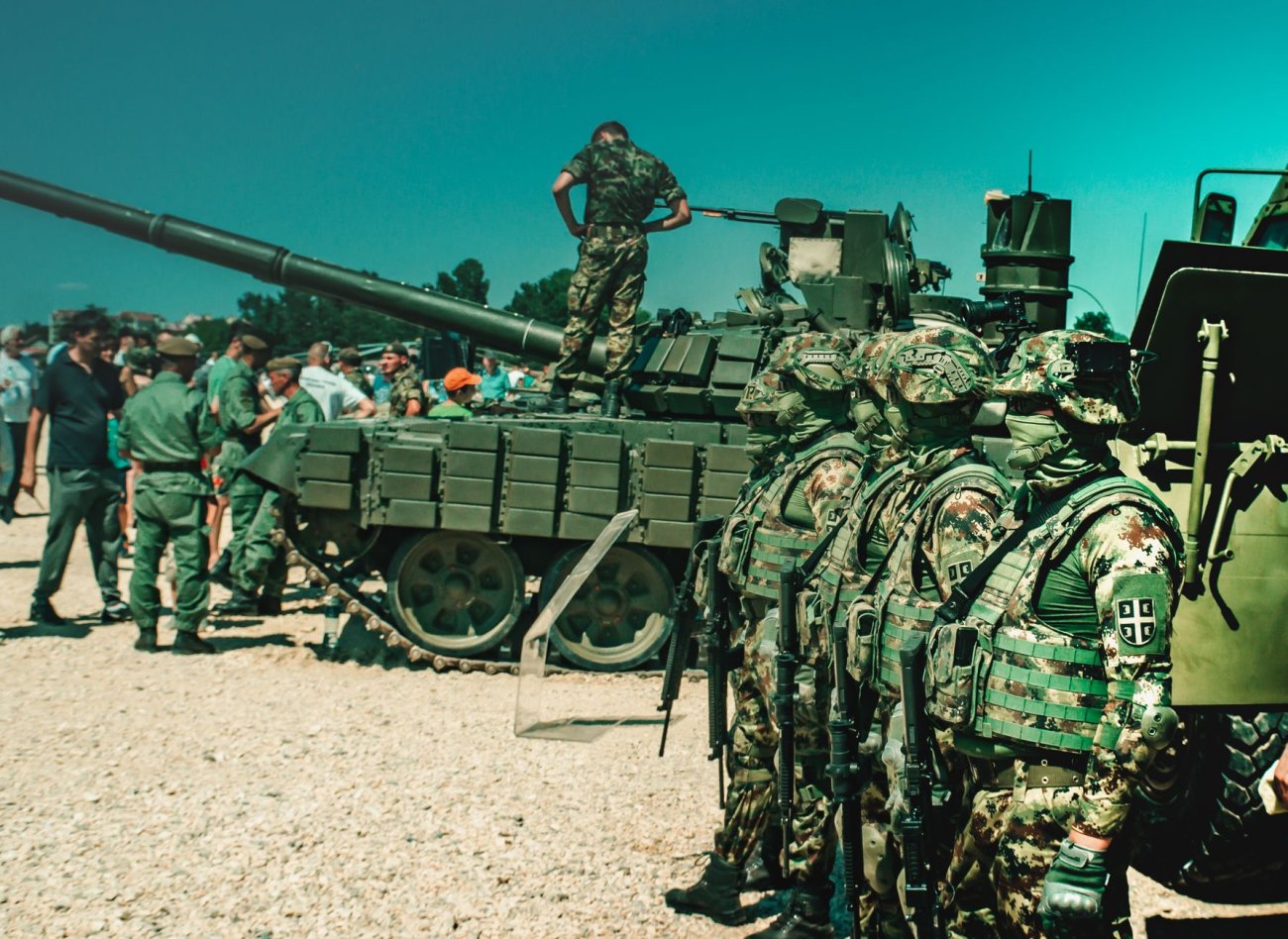
The United States has launched a new series of military strikes against Iran, amplifying tensions in an already volatile Middle Eastern region. These strikes follow a wave of attacks on neighboring countries, including Iraq, Jordan, and Egypt, threatening to extend the scope of the conflict. The military actions mark a significant escalation in the ongoing hostilities between the U.S. and Iran, drawing international concern over potential widespread impacts.
According to official statements, the U.S. Department of Defense justified the strikes as necessary to protect American personnel and interests in the region. "We will take all necessary measures to defend our people," said U.S. Secretary of Defense Pete Hegseth. "Iran's aggressive actions across the Middle East pose a direct threat to our allies and regional stability." The strikes are reported to have targeted key military installations within Iran, aiming to disrupt its alleged support for hostile actions in neighboring states.
The situation has been further complicated by a series of attacks attributed to Iranian-backed militias in Iraq, which have resulted in numerous casualties and heightened security concerns for American and allied forces stationed in the country. The Pentagon confirmed these attacks, stating that they "constitute a clear and present danger to the safety of our forces." The Iranian government, on the other hand, has condemned the U.S. strikes, labeling them as "unprovoked acts of aggression" and warning of potential retaliation.
In a broader geopolitical context, the conflict's expansion has prompted reactions from global powers, with diplomatic channels reportedly working overtime to prevent further escalation. U.S. Secretary of State Marco Rubio emphasized the importance of diplomatic efforts but underscored the necessity of military readiness. "While we pursue all avenues for peace, our military remains prepared to act decisively to protect our interests," Rubio stated, reflecting the administration's dual approach to the crisis.
The reverberations of the conflict are already being felt beyond the immediate region, with concerns rising over global economic implications, particularly regarding oil prices. The Middle East's strategic significance to global energy supply chains has investors closely monitoring developments, wary of potential disruptions that could affect international markets. Additionally, humanitarian organizations have expressed alarm over the potential for increased civilian casualties and displacement, which could exacerbate existing refugee crises in the region.
As the situation unfolds, the international community is watching closely for any signs of de-escalation or further conflict. The United Nations and other multilateral bodies are calling for restraint from all parties involved, emphasizing the need for dialogue and peaceful resolution. However, with tensions running high and military actions intensifying, the path to peace remains uncertain, leaving stakeholders in a precarious wait-and-see position.






Comments
No comments yet — be the first.