
Danube's Record-Low Levels Prompt Regional Energy Concerns Amid Climate Challenges
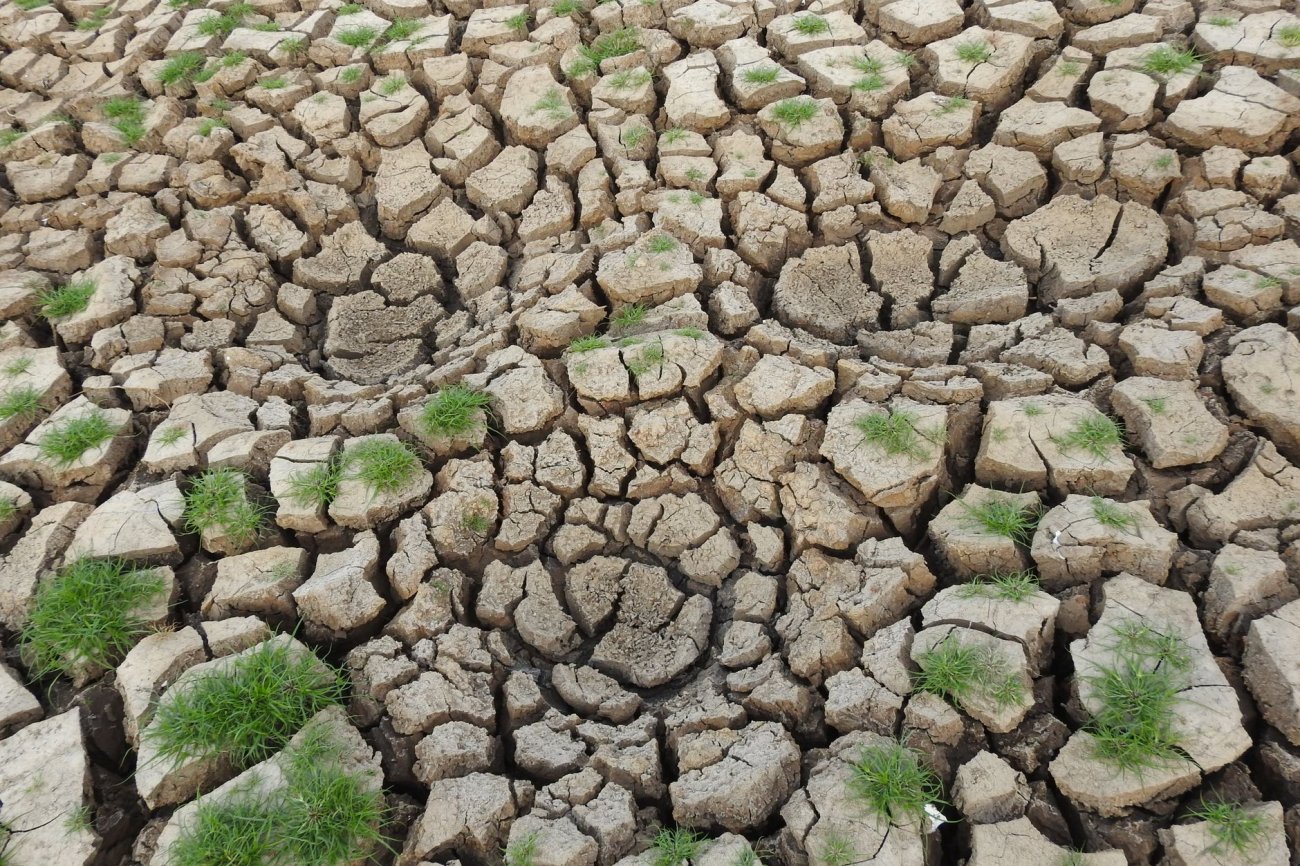
The Danube River, a crucial waterway in Central and Eastern Europe, has reached record-low levels, compelling Hungary to shut down its sole nuclear power plant. The unprecedented drought conditions, attributed to prolonged heatwaves and scant rainfall, are also exerting significant pressure on Romania, Bulgaria, and Serbia, as they struggle to manage the broader implications of the dwindling water levels.
The Paks Nuclear Power Plant, Hungary's primary source of nuclear energy, was forced to halt operations as the river's low levels impeded critical cooling processes. This development has sparked widespread concern over energy stability in the region, highlighting vulnerabilities in energy infrastructure amidst escalating climate change impacts. Hungary's Minister of Energy and Climate, Zsolt Hernádi, emphasized the urgency of the situation. "The current situation is a stark reminder of our reliance on stable climate patterns. We must accelerate efforts to diversify our energy sources and enhance resilience against such climate-induced disruptions," Hernádi stated.
The Danube, Europe's second-longest river, is pivotal not only for energy production but also for agriculture, transportation, and drinking water supply. Recent data from the European Drought Observatory indicate a significant reduction in the river's flow rate, diminishing by nearly 40% compared to historical averages. This alarming trend is exacerbating socio-economic challenges across the region, particularly in agriculture, where irrigation demands are surging amid scarce water supply.
Beyond Hungary, other nations along the Danube are grappling with the fallout. In Serbia, officials are confronting the dual challenge of reduced hydropower output and increased cooling demands in urban areas. Serbia's Deputy Prime Minister and Minister of Mining and Energy, Zorana Mihajlović, noted the need for regional cooperation. "We are facing a shared challenge that transcends national borders. A unified approach in addressing climate impacts on our shared resources is imperative," Mihajlović urged.
These developments underscore the broader global implications of climate variability, as countries worldwide experience similar environmental stresses. The World Bank has previously warned that developing nations, particularly in Africa, may face heightened risks due to their often limited adaptive capacity and reliance on climate-sensitive sectors. As Europe confronts its own climate challenges, lessons learned and strategies implemented may hold valuable insights for the global community, including African nations.
Efforts to address the current crisis are underway, with Hungary and its neighbors exploring alternative energy sources and emergency water management measures. The European Union has pledged additional support through its Green Transition and Resilience Building program, aimed at enhancing renewable energy capacity and fortifying water infrastructure in vulnerable regions.
As climate patterns continue to shift, the Danube's plight serves as a potent reminder of the pressing need for comprehensive and coordinated strategies to mitigate climate risks. The situation remains fluid, with regional governments closely monitoring water levels and energy demands. Future developments will be closely watched as stakeholders strive to balance immediate needs with long-term sustainability goals.






Comments
No comments yet — be the first.