
Trump hails 'historic' deal for US to control 65bn barrels of Venezuela's oil
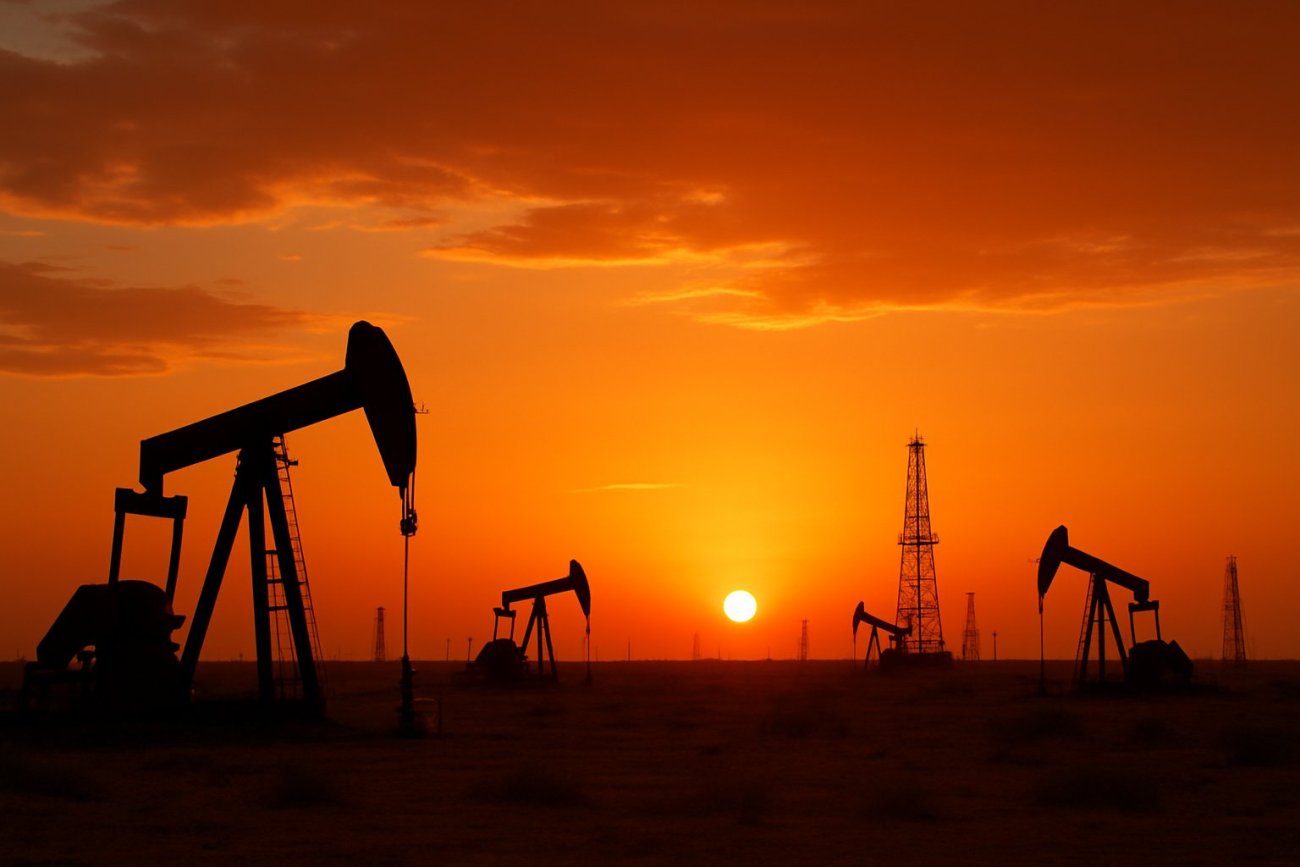
In a significant development for both Venezuela and the United States, U.S. President Donald Trump announced a 'historic' agreement that allows the United States to control 65 billion barrels of Venezuelan oil. This accord, confirmed on August 28, 2026, is expected to have profound implications for the global energy market and the economic prospects of Venezuela, a nation that has struggled with economic instability in recent years.
The interim president of Venezuela, whose leadership is internationally recognized, expressed optimism about this unusual agreement. She stated that it would provide a much-needed boost to the Venezuelan economy, which has been severely affected by years of hyperinflation and political turmoil. "This agreement marks a turning point for Venezuela," she said. "With U.S. investment and expertise, we are poised to revitalize our oil industry and improve the living standards of our people."
President Trump highlighted the benefits of the deal for the United States, emphasizing the strategic advantage of securing a significant source of oil amidst global uncertainties. "This is a historic day for America," Trump stated. "We have secured access to a massive reserve of oil, ensuring energy security for our country for decades to come." He further noted that the agreement would create jobs and foster economic growth within the United States.
Details of the agreement reveal that the United States will manage the exploration, extraction, and distribution of the oil, with a portion of the revenues going to support Venezuela's economic recovery. The deal comes at a critical time as the U.S. seeks to diversify its energy sources and reduce reliance on Middle Eastern oil amid ongoing geopolitical tensions.
Critics of the agreement, however, have raised concerns about the sovereignty of Venezuela's natural resources and the potential for exploitation. They argue that such deals could weaken Venezuela's autonomy over its key assets. Nonetheless, supporters argue that the partnership with the U.S. provides a lifeline for Venezuela's ailing economy and an opportunity to rebuild its oil infrastructure.
This agreement is part of a broader strategy by the Trump administration to engage more deeply in Latin America, a region of strategic importance both economically and politically. Observers are keen to see how this partnership will unfold, particularly regarding the stability it may bring to Venezuela and its impact on the broader region.
The implications of this deal extend beyond the immediate parties involved. For African and other developing nations, this agreement highlights the potential benefits and complications of resource-based partnerships with larger economies. As the world watches the U.S.-Venezuela collaboration, there is growing interest in how similar frameworks could be developed to assist other nations in leveraging their natural resources for sustainable development.






Comments
No comments yet — be the first.