
KWS Warns Kenyans After AI-Generated Image Shows Zebra Doing Manual Work
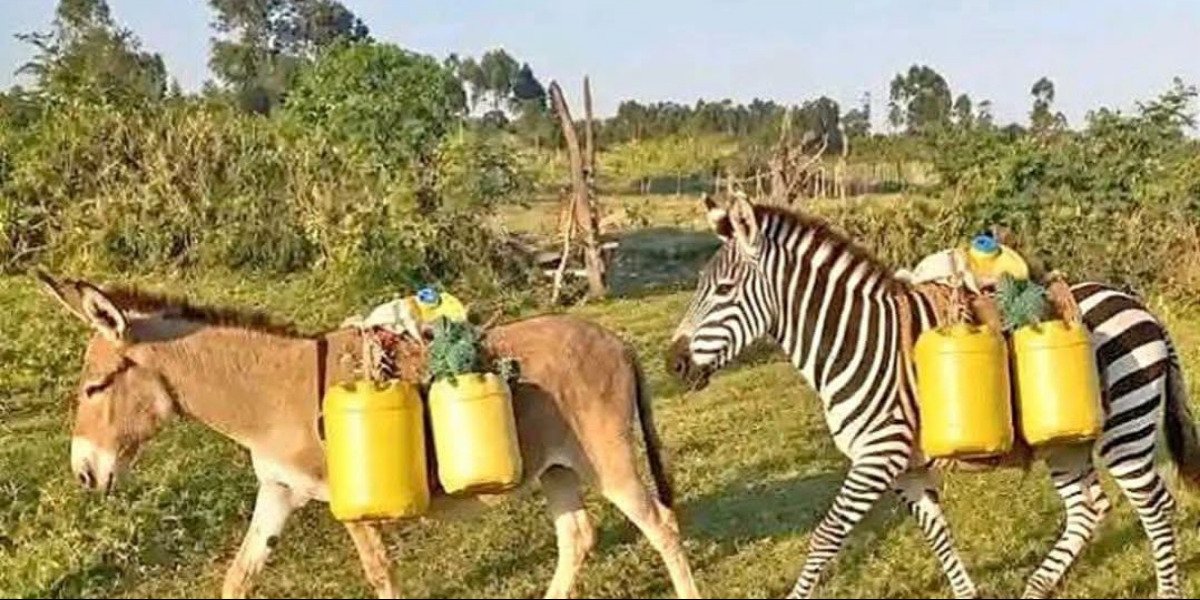
The Kenya Wildlife Service (KWS) has confirmed that an image showing a zebra carrying water alongside donkeys is AI-generated, warning that wild animals must not be captured, tamed or used for domestic labour.
In a statement, KWS said zebras, like all wildlife, are not suitable for taming or domestication. “Wild means wild,” the agency said, stressing that attempts to use wild animals for household or agricultural work can endanger both the animals and people.
KWS urged landowners and communities living near wildlife habitats to adopt conservation-based measures, including establishing private or community conservancies that are formally registered with the agency. It said conservancies can help protect biodiversity while supporting coexistence between people and wildlife.
The service also advised people who encounter wildlife on their land to seek professional assistance rather than attempting to capture or control the animals themselves. A toll-free helpline, 0800 597 000, is available for reporting incidents and obtaining guidance from KWS.
The warning comes as wildlife continues to stray into residential and commercial areas. Earlier this year, KWS issued a high alert after lionesses were seen in Sholinke and Mlolongo, outside reserve boundaries. Residents in Rongai and Lang’ata have also reported nocturnal encounters with predators that crossed perimeter fences.
KWS Director General Erustus Kanga has emphasised that conservation must protect both wildlife and public safety. The agency’s response to the fabricated zebra image reflects the need to address misleading digital content that could encourage people to handle wild animals in unsafe or unlawful ways.
As AI-generated images become increasingly realistic, KWS has urged the public to verify information before acting on it. The agency said protecting Kenya’s wildlife requires responsible engagement with animals and reliance on expert guidance when conflicts occur.





Comments
No comments yet — be the first.